










The useful things to do in Xi’an fit in three days if you stop treating the city as “Terracotta Army plus leftover time.” Day one is the Ming wall and the food streets behind the tourist spine. Day two is the warriors with a licensed guide, not a curb-side bus. Day three is the museum or a Tang-night walk — not Mount Hua unless you add a fourth day.
Quick Answer
Things to Do in Xi’an Without a Shopping Day
That sequence is what Chinese travelers book as “三天两晚” on Xiaohongshu. English listicles still send first-timers down Beiyuanmen, into a jade shop, and home thinking Xi’an is one pit and one snack street.
Want the museum day run privately? Open our terracotta army tour packages, or ask for a licensed English-speaking guide.
Xi’an in one paragraph
Xi’an (you will also see Xian on tickets and maps) was Chang’an, the Tang capital and a Silk Road hinge. The Ming city wall still closes the old center. East of town, the Mausoleum of the First Qin Emperor — the Terracotta Army — is the reason most China tour packages put this city on the classic Beijing–Xi’an–Guilin–Shanghai loop. The living city is carb-heavy, Hui and Han kitchens side by side, and easier to move around by metro than Beijing.
Stay inside the wall near the Bell Tower if this is your first visit. Qujiang (Big Wild Goose Pagoda) is newer, greener, and better if you want evening lights without the drum-tower crush.
Things to do in Xi’an beyond the pits
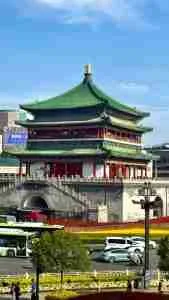
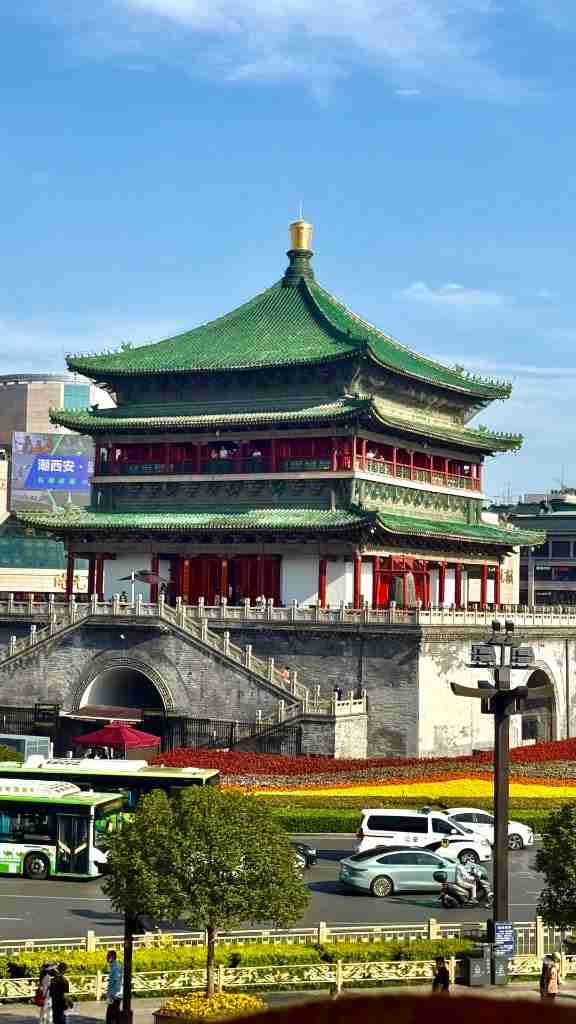
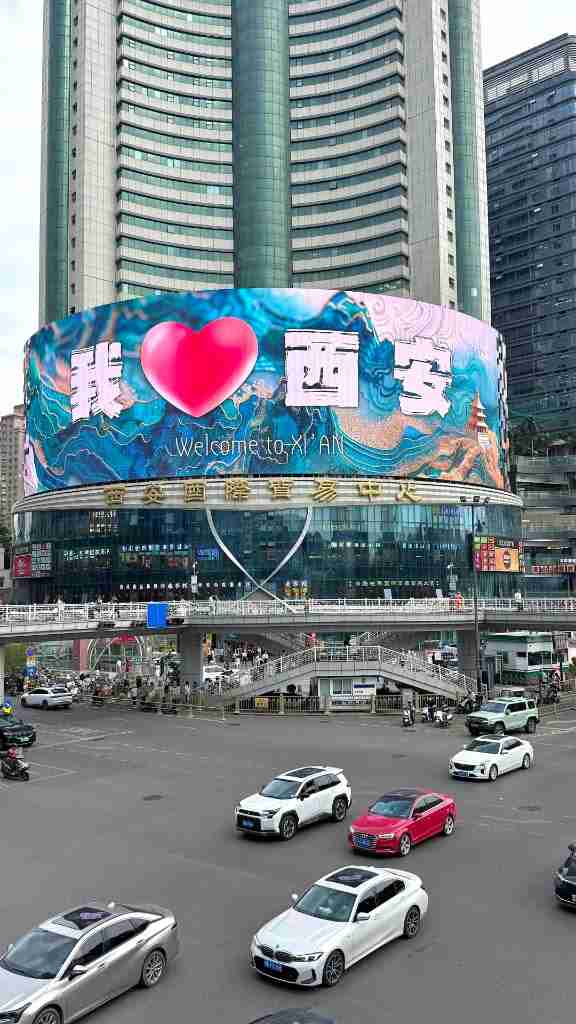
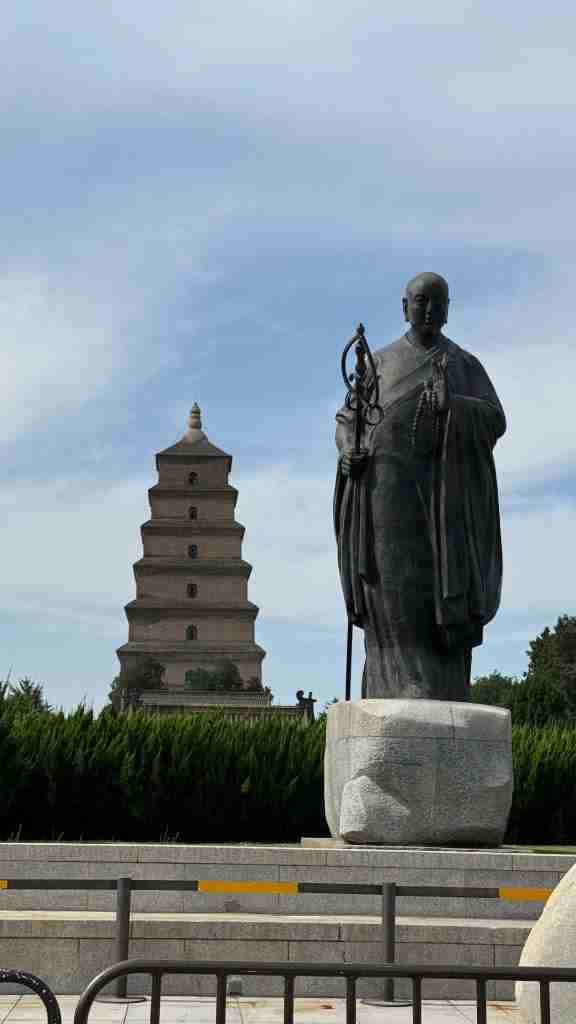
The pits are Day 2. The city is towers, Tang stone, and a living street. Bell Tower sits in traffic. Drum Tower lights gold at blue hour. Xuanzang and the Giant Wild Goose Pagoda belong in Qujiang. Shu Yuan Men is a calligraphy walk, not a second snack mall. The grotto hall is why the museum day is not leftover shopping.
Bell Tower, Drum Tower, Wild Goose Pagoda, Shu Yuan Men — the city around the pits.
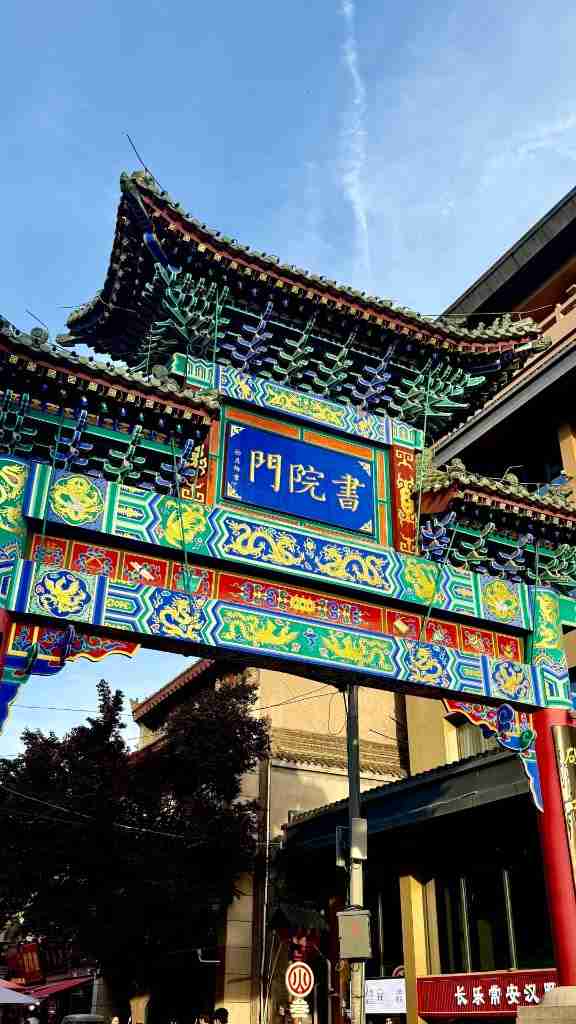
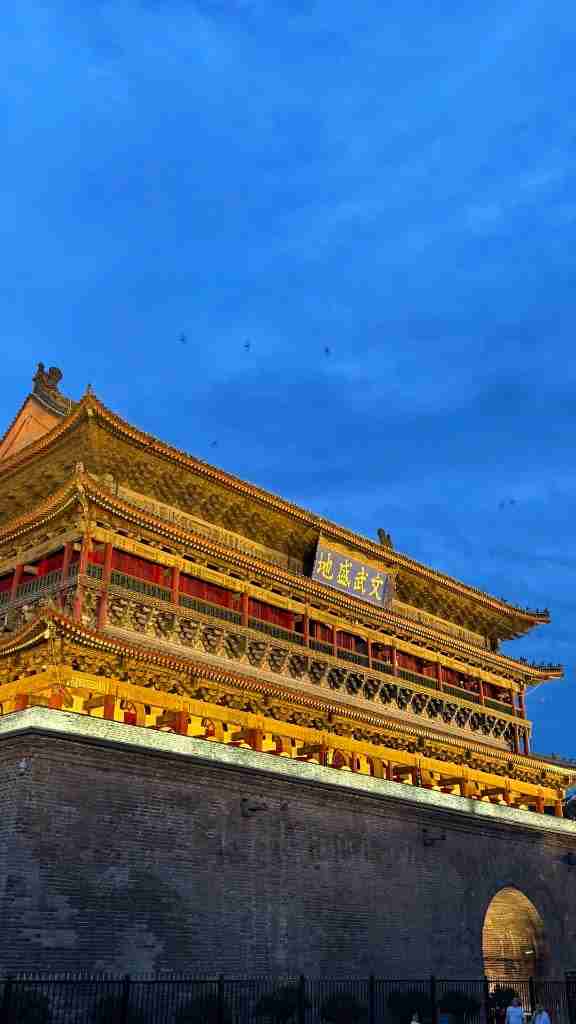
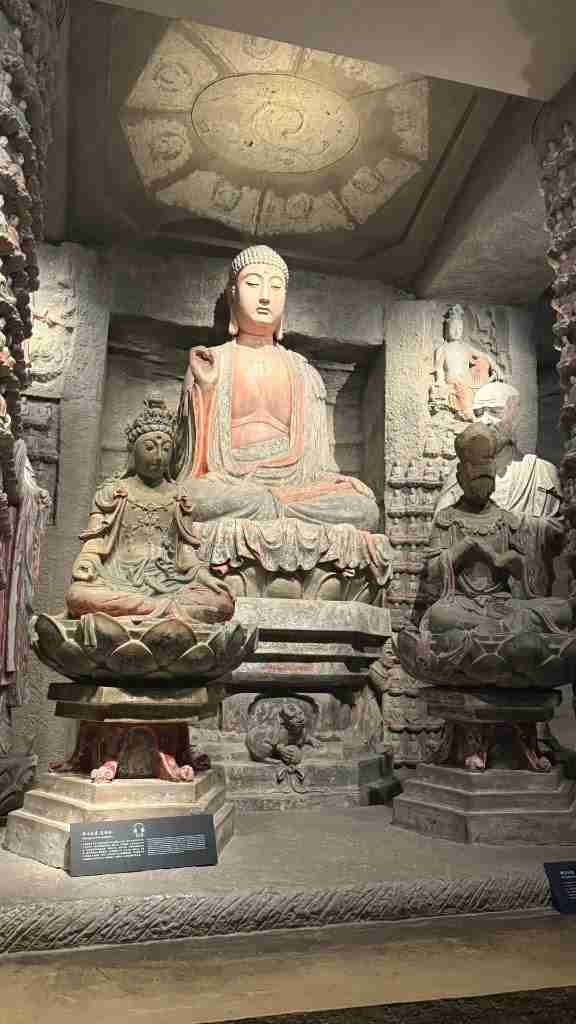
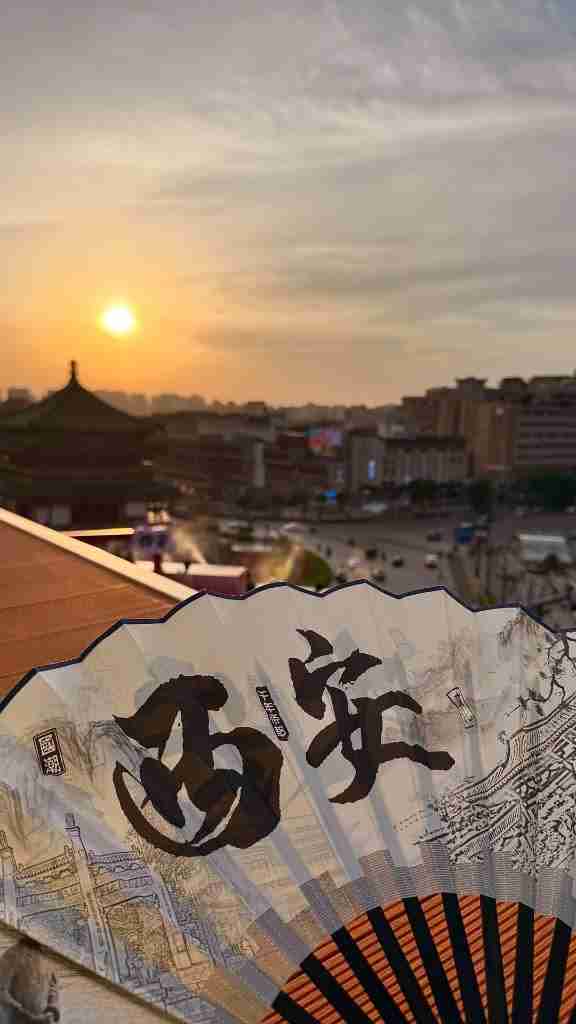
A three-day plan that does not backtrack
Xiaohongshu filters for this query are blunt: 三天两夜, 地铁直达, 必去景点, 带娃, 长恨歌. We use the same skeleton, minus the shopping-day filler.
- Day 1 — South Gate → wall bike or walk a section (not the full 14 km unless you train for it) → Bell/Drum Towers from the plaza. Dinner in Dapiyuan / Xiyangshi / Sajinqiao, not only the Beiyuanmen mall.
- Day 2 — Terracotta Army at opening, bronze chariots, then Huaqing Palace or straight back — do not add a “factory.” Optional The Song of Everlasting Sorrow if you care about the show; otherwise Datang Everbright City after dark.
- Day 3 — Shaanxi History Museum (free, reserve) or Xi’an Museum + Small Wild Goose Pagoda. Fountain square at the Big Wild Goose Pagoda, then stop.
Things to do in xian if you only have 36 hours: wall + one serious meal + warriors. Drop the museum. Drop Hua Shan. Hua Shan is a separate mountain day. It is not a “quick add” after pit 1.
Terracotta Army without the trap tour
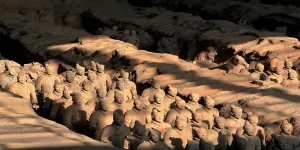
Pit 1 is the postcard. Pit 2 is the workshop detail. Pit 3 is command. The bronze chariots are easy to skip if you are herded. Budget three hours inside, not forty minutes with a flag.
Book the official channel. Passport names must match. We do not send guests to station touts selling “VIP no-queue” slips. A licensed English-speaking guide here is worth more than at most China sites. The figures do not explain themselves.
If you want that day run as a private product, use the terracotta army tour theme and tell us your train or flight times. We can also attach high-speed train tickets from Beijing or onward to Chengdu.
Xi’an food: leave the main street after the photo
Chinese notes treat 回民街 as atmosphere and 洒金桥 / 大皮院 / 西羊市 as dinner. That split is the information gain.
- Roujiamo — the pork lazhi version is the classic; beef if you are eating in the Hui streets. The bun should crack.
- Yangrou paomo — you tear the bread. That is the meal, not a side.
- Liangpi — sesame or Qin-zhen rice sheets; summer default.
- Biangbiang — wide belt noodles, chili oil, vinegar. Share it.
- Hulatang + a small bun — breakfast, not a 21:00 experiment.
- Zenggao — steamed sticky rice and dates, street-cart sweet.
Respect the Hui streets: do not order pork in a clearly halal shop. Do not film kitchens without a nod. Yongxing Fang is a tidy provincial-snack park — fine with kids, not where we send people who said “I want the city, not a food court.”
IMAGE PLACEHOLDERFood — biangbiang noodles or a Sajinqiao breakfast stall (you pick)
Nights that are worth the steps
Datang Everbright City is free and crowded after the lights go on. Go after dinner, walk a short axis, leave. The Big Wild Goose Pagoda north square fountain is a timed show — check the day’s slots. Drum Tower at blue hour is the city-center photo. Then stop. The wall at night is quieter than the neon street. One gate-to-gate stretch is enough.
For pacing ideas beyond this city, see the travel to China guide.
Learn more
Spring (March–May) and autumn (September–November) are the best seasons to visit China's ancient towns. The weather is mild, the scenery is beautiful, and the crowds are manageable.
Winter offers fewer tourists and a peaceful atmosphere, while summer can be hot and humid but vibrant with local festivals.
- Stay overnight whenever possible
- Avoid national holidays
- Wear comfortable walking shoes
- Consider private tours for convenience
- Book hotels early in peak seasons
China's ancient towns, mountain villages, and historic cities offer a window into centuries of culture. Beyond the modern skyline, these destinations reveal the rhythms of daily life that have endured for generations.
Book a private Terracotta & Xi’an day
Official pit tickets, a licensed English-speaking guide, and no surprise shops. Start from the Xi’an / terracotta theme.
Ask for a terracotta plan