























Quick Answer
Beijing Roast Duck: A Complete Guide to China’s Most Iconic Culinary Experience
There is a particular sound many travelers remember long after leaving Beijing — the crisp crack of a chef’s knife slicing through golden roast duck skin beside the table.
I still remember my first winter dinner near Beijing’s Qianmen area. Outside, the air was freezing. Inside, the restaurant was warm, crowded, and full of conversation. The chef carefully carved the duck in front of us while steam rose from bamboo baskets nearby. Then came the first bite: crispy skin dipped lightly in sugar, followed by tender duck wrapped inside a thin pancake with cucumber and sweet bean sauce.
At that moment, I understood why Beijing Roast Duck is far more than just a famous Chinese dish.
For many international travelers, it becomes one of the defining food memories of their entire China journey.
Today, Beijing Roast Duck remains one of the best ways to experience traditional Chinese culinary culture, local dining rituals, and the atmosphere of old Beijing itself.
What Is Beijing Roast Duck? (History & Cultural Background)
Beijing Roast Duck, also widely known as Peking Duck, dates back to imperial China during the Ming Dynasty. Historically, royal chefs prepared it for emperors and court banquets because of its refined cooking technique and rich flavor.
Over time, the dish gradually moved from palace kitchens into the city itself, eventually becoming the signature dish of Beijing cuisine.

What makes Beijing Roast Duck unique is its highly specialized preparation process:
- Specially raised ducks are selected for ideal fat distribution
- The duck is air-dried to tighten the skin
- Chefs roast it in traditional ovens using fruit woods such as pear wood or date wood
As a result, the duck develops its famous contrast: incredibly crispy skin on the outside and tender, juicy meat underneath.
Even today, many traditional restaurants still follow techniques passed down through generations.
In short, Beijing Roast Duck represents centuries of culinary craftsmanship, imperial history, and Beijing dining culture in a single dish.
Open-Oven vs Closed-Oven Roast Duck: Why the Taste Is Different
One detail many travelers do not realize is that Beijing actually has two major roast duck traditions.
Understanding this difference helps visitors choose the restaurant style that best matches their taste preferences.
Open-Oven Style (挂炉烤鸭)
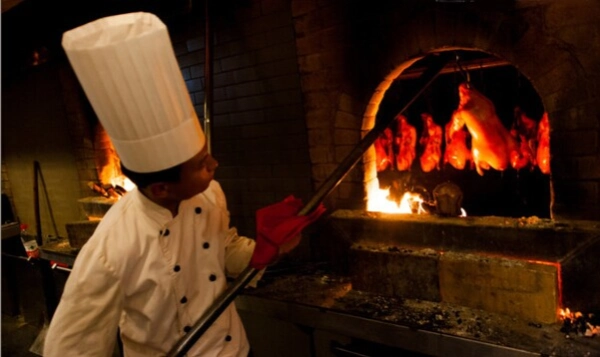
Restaurants like Quanjude use the traditional open-oven roasting method.
Here, ducks hang openly inside the oven while fruit wood burns beneath them. Because of direct heat exposure, the skin becomes:
- Crispier
- Smokier
- More aromatic
This style creates the dramatic glossy appearance many travelers associate with classic Beijing Roast Duck.
Closed-Oven Style (焖炉烤鸭)
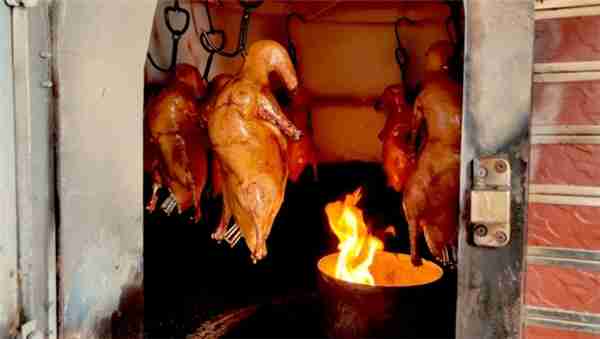
Meanwhile, restaurants like Bianyifang use a closed-oven roasting technique.
Instead of direct flames, the duck cooks slowly inside a sealed oven chamber. As a result, the flavor becomes:
- More balanced
- Less smoky
- Slightly juicier
Many local diners prefer this style because it feels more delicate and less oily.
In other words, open-oven duck emphasizes crispy skin and smoky aroma, while closed-oven duck focuses on tenderness and balance.
How Beijing Roast Duck Is Served
In most traditional restaurants, Beijing Roast Duck is presented as a full tableside carving experience.
First, the chef brings the whole duck directly to the table. Then, using an extremely sharp knife, the duck is sliced into thin pieces with impressive precision.
Usually, the skin and meat are separated slightly to create different textures during the meal.
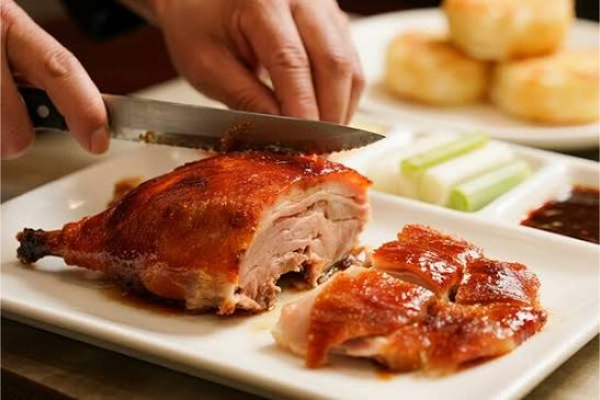
The eating process typically follows several steps:
1.Thin pancakes are prepared
2.Duck slices are added
3.Cucumber and spring onion are placed inside
4.Sweet bean sauce is spread across the pancake
5.Everything is wrapped and eaten in one bite
Additionally, many restaurants serve multiple courses from the same duck:
- Crispy skin served separately
- Stir-fried duck meat
- Duck bone soup
- Fried duck bones with salt and pepper
Because of this, one duck often becomes a complete dining experience rather than a single dish.
What Does Beijing Roast Duck Taste Like?
For first-time visitors, the biggest surprise is usually the balance of textures.
The skin is:
- Thin
- Crispy
- Slightly sweet
- Rich in smoky aroma
Meanwhile, the meat remains:
- Tender
- Moist
- Flavorful without feeling overly greasy
The sweet bean sauce adds a savory-sweet contrast, while cucumber and scallions bring freshness and crunch.
Interestingly, many locals first dip the crispy duck skin into white sugar before eating it.
Although this sounds unusual to many foreign visitors, the combination of hot crispy skin and light sweetness is considered one of the highlights of the meal.
In fact, many travelers later say the sugar-dipped duck skin became their favorite part.
Best Beijing Roast Duck Restaurants in Beijing
Beijing offers everything from historic institutions to modern fine-dining interpretations.
Quanjude (全聚德)
Best for: First-time visitors and traditional atmosphere
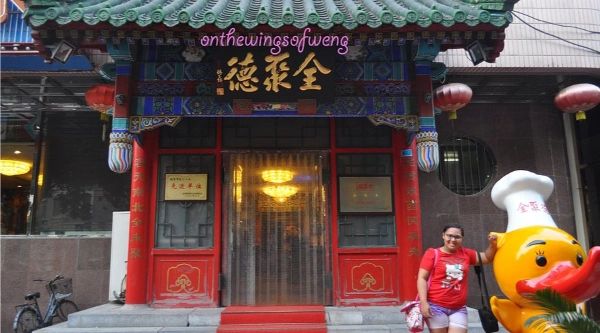
Founded over 150 years ago, Quanjude remains the most internationally recognized roast duck restaurant in China.
Its open-oven roasting method produces crispy skin with a stronger smoky aroma.
Many travelers choose Quanjude because it feels historic, classic, and ceremonial.
Da Dong Roast Duck (大董)
Best for: Modern dining and refined presentation
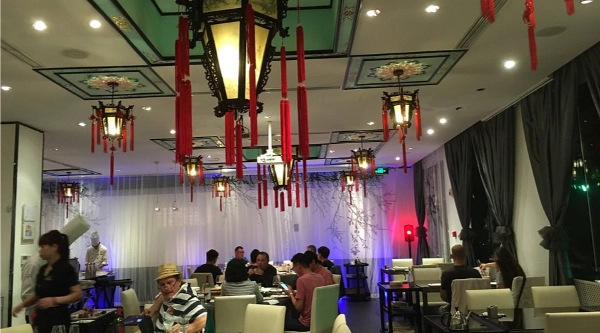
Da Dong became famous for creating a lighter, less oily version of roast duck.
Compared with traditional restaurants, the atmosphere feels more contemporary and upscale.
As a result, it is especially popular among younger travelers and international guests.
Siji Minfu (四季民福)
Best for: Local atmosphere and balanced quality
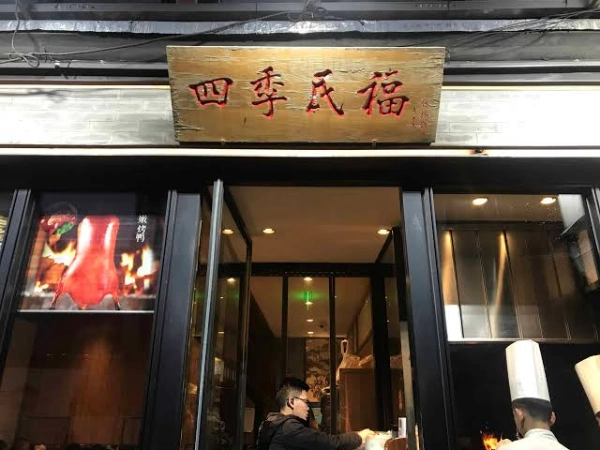
Among local Beijing residents, Siji Minfu has become one of the most popular roast duck restaurants in recent years.
The quality-to-price ratio is excellent, and many visitors feel the atmosphere is more relaxed and authentic.
However, long queues are extremely common.
During holidays or dinner hours, waiting times can easily exceed 2–3 hours.
Because of this, many travelers now prefer guided food experiences or restaurants with advance reservations already arranged.
Bianyifang (便宜坊)
Best for: Traditional closed-oven flavor
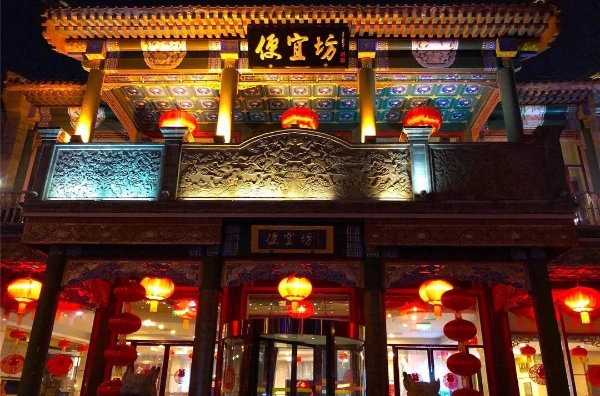
Bianyifang specializes in the older closed-oven roasting method.
Compared with Quanjude, the flavor feels softer, juicier, and slightly less smoky.
For travelers interested in culinary history, this is often one of the most fascinating options.
In short:
- Quanjude = history and ceremony
- Da Dong = modern aesthetics
- Siji Minfu = local popularity
- Bianyifang = traditional craftsmanship
How to Eat Beijing Roast Duck Like a Local
To fully enjoy the experience, it helps to follow local dining habits.
Try the Crispy Skin First
Many locals eat several slices of crispy skin separately before building pancakes.
Sometimes, they dip the skin lightly into sugar for extra contrast.
Eat Slowly
Unlike fast meals, roast duck dinners are usually relaxed and social.
Families often spend 1–2 hours eating, talking, and sharing dishes together.
Pair It With Tea
Traditional Chinese tea helps balance the richness of the duck.
Popular choices include:
- Jasmine tea
- Oolong tea
- Pu’er tea
Order Side Dishes Gradually
Experienced diners rarely order everything at once.
Instead, they add dishes slowly depending on how hungry the table feels.
As a result, the meal feels more balanced and less overwhelming.
Best Areas to Eat Beijing Roast Duck
Different neighborhoods in Beijing offer very different dining experiences.
Qianmen Area
Historic atmosphere with many traditional restaurants and old Beijing streets.
Wangfujing Area
Convenient for tourists staying near shopping districts and major attractions.
Sanlitun Area
Modern and international, with stylish restaurants and nightlife nearby.
Houhai / Shichahai Area
Excellent for combining hutong walks, lakeside scenery, and traditional dining.
Many travelers enjoy exploring Beijing’s historic neighborhoods before sitting down for a roast duck dinner in the evening.
Suggested Beijing Food Experience Itinerary
For many visitors, roast duck works best as part of a larger cultural experience.
A popular half-day itinerary could include:
Morning
Visit the Forbidden City or Temple of Heaven
Lunch
Enjoy roast duck at a carefully selected restaurant
Afternoon
Explore hutongs, tea houses, or local markets
Evening
Optional night photography or lakeside walks
Too many restaurant choices?
Our Beijing local experts can help travelers select the best roast duck experience based on hotel location, budget, and dining style preferences.
Practical Tips for International Travelers
Before visiting a roast duck restaurant in Beijing, keep these tips in mind:
- One duck is usually enough for 2–4 people
- Popular restaurants often require reservations
- Lunch is usually less crowded than dinner
- Queues at famous local restaurants can be very long
- Staff are usually happy to explain the eating process
- Combining dining with sightseeing creates a smoother experience
Additionally, travelers sensitive to rich food may prefer pairing roast duck with lighter vegetable dishes and tea.
Frequently Asked Questions
Yes. “Peking Duck” is simply the older English name for Beijing Roast Duck.
Quanjude uses open-oven roasting for crispier skin and smoky aroma, while Bianyifang uses closed-oven roasting for softer texture and juicier meat.
Not necessarily. Prices range from affordable local restaurants to premium fine-dining experiences.
For famous restaurants like Siji Minfu, Da Dong, and Quanjude, advance reservations are highly recommended.
What should first-time visitors order?
Most beginners enjoy:
- Traditional duck wraps
- Crispy duck skin
- Duck soup
- Vegetable side dishes
- Jasmine tea
Beijing Roast Duck is not simply a famous Chinese dish.
It reflects Beijing’s history, dining rituals, craftsmanship, and social culture all at once.
For many travelers, the memory is not only the taste itself, but also the atmosphere surrounding it — the sound of carving knives, the steam rising from fresh pancakes, the crowded dining rooms, and the slow conversations shared around the table.
Long after leaving Beijing, many visitors still remember that first bite of crispy duck skin more clearly than some of the city’s famous landmarks.
Travel With Go China Now
All of our tours can be adjusted or customized based on your requirements, with a private guide and a private driver to suit your needs. Reach out to us to create your dream trip, and our professional travel consultant will provide in-depth experience options and a worry-free itinerary.
Start Planning Your Trip