
















Quick Answer
Sichuan Opera in Chengdu: Experience the Living Soul of Bashu Culture
In Chengdu, culture is not hidden behind museum walls. Instead, it lives inside old teahouses, busy alleys, steaming hotpot restaurants, and traditional opera stages filled with music, color, and local laughter. Among all of Sichuan’s cultural symbols, nothing feels more uniquely “Chengdu” than Sichuan Opera.
Unlike other forms of Chinese opera, Sichuan Opera is famous for dramatic face changing, fire spitting, humorous storytelling, and lively interaction with the audience. Even travelers with no background in Chinese culture can immediately enjoy its visual energy and theatrical atmosphere. More importantly, watching Sichuan Opera in Chengdu feels less like attending a formal performance and more like stepping into local life itself.
A Folk Art Born from Everyday Sichuan Life
Sichuan Opera, also known as Chuanju, is one of China’s most important regional operas and a National Intangible Cultural Heritage of China. For centuries, it has been deeply connected to Sichuan’s teahouse culture, festivals, street entertainment, and everyday community life.
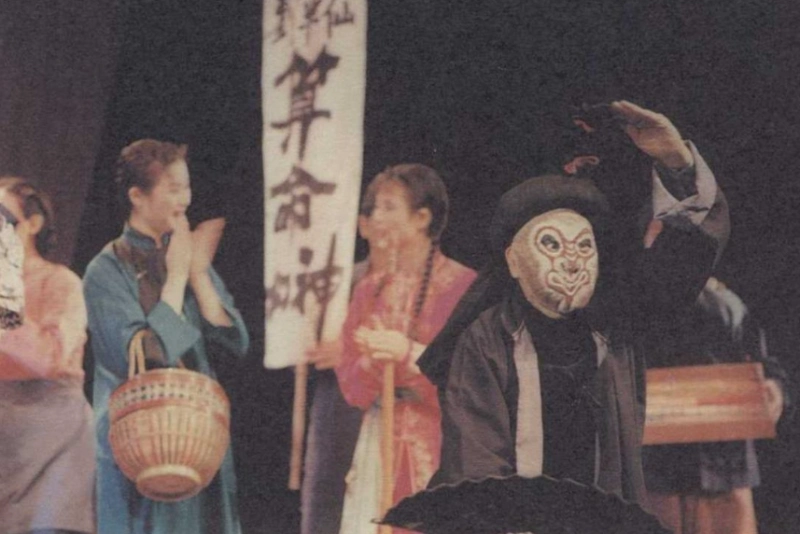
Unlike some traditional operas that feel distant or difficult to understand, Sichuan Opera is energetic, emotional, and highly visual. As a result, even first-time visitors can quickly connect with the performances through movement, costumes, music, and stage effects.
In many ways, Sichuan Opera reflects the personality of Sichuan people themselves — passionate, humorous, expressive, and full of life.
The Magic Behind Sichuan Opera’s Most Famous Skills
Face Changing (Bian Lian)
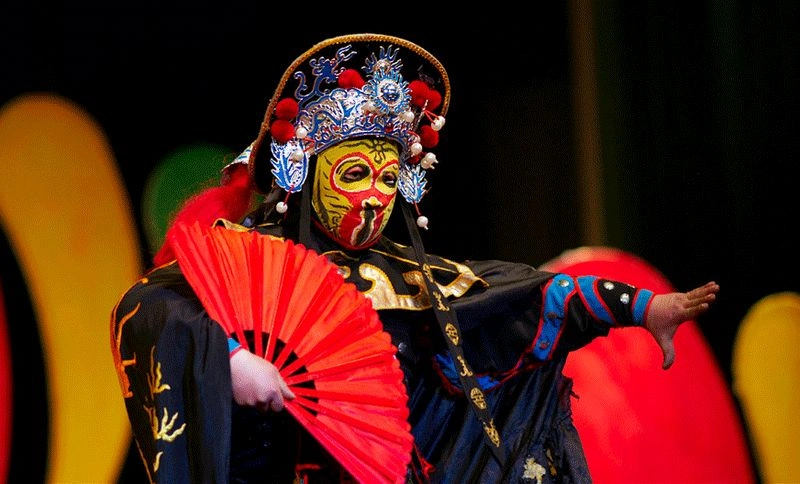
Face changing is the signature performance of Sichuan Opera and one of the most recognizable traditional arts in China. During the show, performers instantly switch masks within seconds, often leaving the audience completely stunned.
At the same time, each mask color carries symbolic meaning. Red represents loyalty, black symbolizes integrity and strength, while white often represents cunning or deception. Consequently, the performance becomes both visually exciting and culturally meaningful.
Fire Spitting
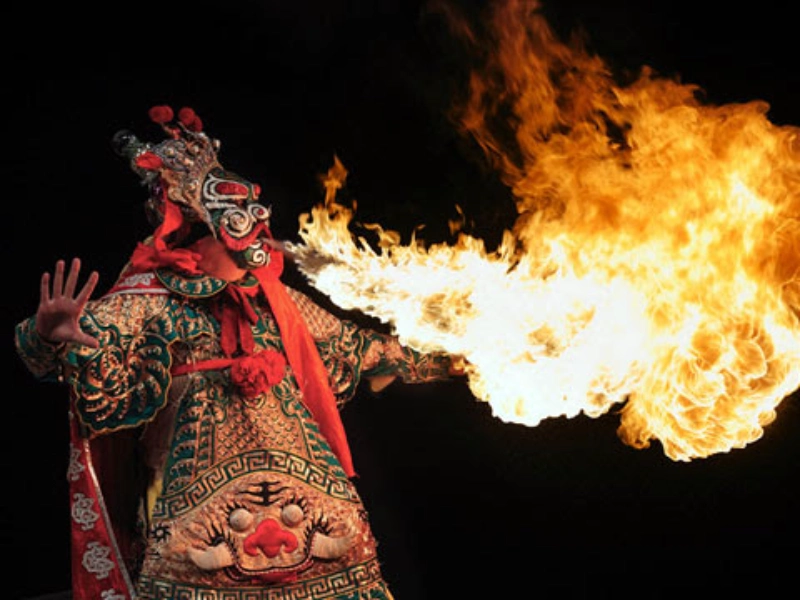
Another famous highlight is fire spitting. During dramatic moments, performers create sudden bursts of flame that light up the dark stage and completely transform the atmosphere.
Combined with fast music, theatrical lighting, and traditional costumes, the performance feels mysterious, intense, and unforgettable.
Water Sleeves & Rolling Lanterns
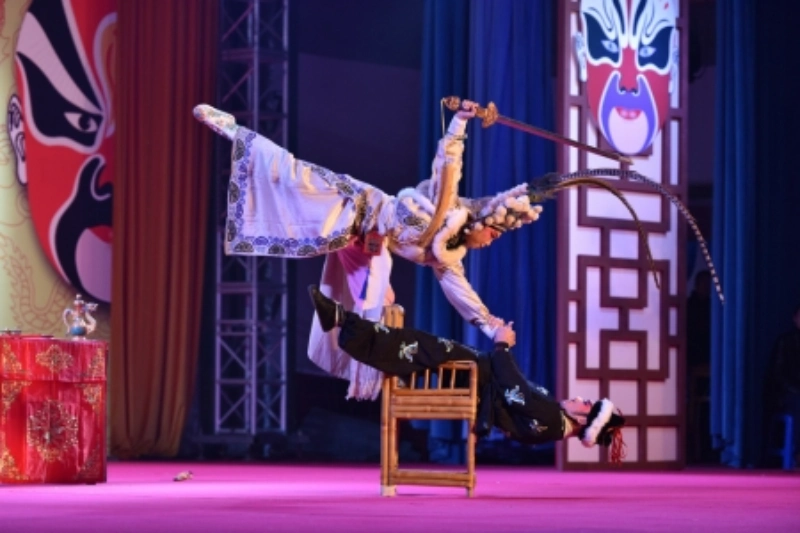
In addition to dramatic special effects, Sichuan Opera also includes elegant movement-based performances. Long flowing sleeves create graceful visual patterns, while rolling lantern acts combine balance, humor, and acrobatics.
As a result, Sichuan Opera balances both softness and excitement, making it enjoyable for audiences of all ages.
Where Locals Watch Sichuan Opera in Chengdu
Shufeng Yayun Sichuan Opera House (蜀风雅韵川剧院)
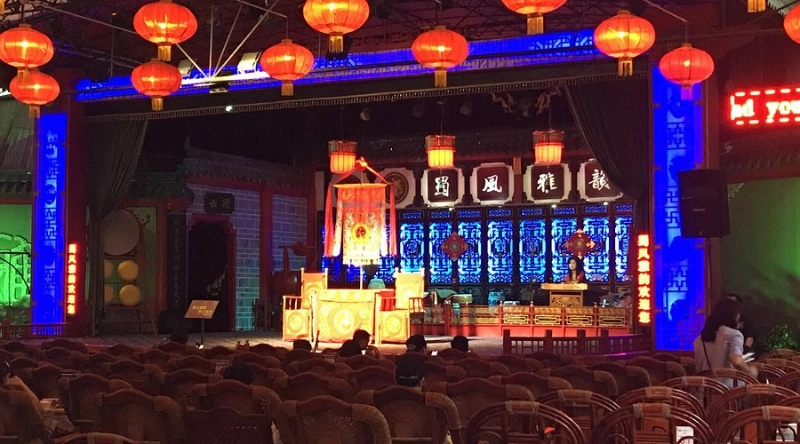
Located inside Chengdu Culture Park, Shufeng Yayun is one of the city’s most iconic Sichuan Opera venues. The atmosphere combines traditional wooden interiors, old-Chengdu teahouse culture, and intimate stage seating that allows visitors to experience face changing up close.
Meanwhile, performances usually include face changing, fire spitting, shadow puppetry, folk music, and classic Sichuan storytelling while guests enjoy jasmine tea and local snacks.
Location: Chengdu Culture Park, Qingyang District, Chengdu
Metro Access: Metro Line 2, Tonghuimen Station, Exit B
Best Time: Evening performances after 7:30 PM
Best For: First-time visitors and photographers seeking a classic Chengdu opera atmosphere
Insider Tip: In 2026, evening performances during peak travel season (April–October) often sell out 1–2 days in advance. Booking a traditional tea seat near the stage offers the best view for face-changing interactions and photos.
Jinjiang Theater (锦江剧场)
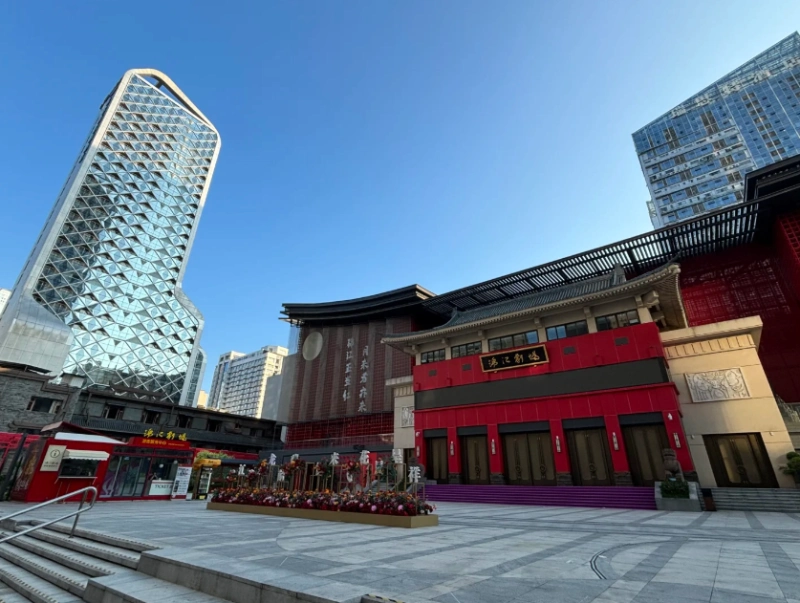
Jinjiang Theater is one of Chengdu’s oldest and most respected professional Sichuan Opera stages. Compared with more atmospheric courtyard-style venues, the performances here feel more traditional and performance-focused.
In fact, many Chengdu locals still come here to watch classic productions and well-known Sichuan Opera performers. As a result, the atmosphere feels closer to Chengdu’s authentic theater culture rather than a sightseeing attraction.
Location: Jinjiang District, near Chunxi Road, Chengdu
Metro Access: Metro Line 2, Chunxi Road Station, Exit C
Best For: Authentic culture lovers and traditional theater enthusiasts
Teahouse Opera & Everyday Chengdu Life
Beyond formal theaters, Sichuan Opera can also appear inside traditional Chengdu teahouses. In some historic neighborhoods, visitors may still encounter small folk performances alongside tea drinking, mahjong games, and relaxed local conversation.
Meanwhile, this combination of opera and teahouse culture perfectly reflects Chengdu’s slower pace of life. Rather than feeling staged, the experience feels naturally woven into the city itself.
Recommended Areas: Kuanzhai Alley (宽窄巷子), People’s Park, and surrounding historic streets
Hands-On Sichuan Opera Experiences
Paint Your Own Opera Mask
Many cultural studios in Chengdu offer face mask painting workshops where visitors can learn the meanings behind traditional opera colors and create their own hand-painted mask to take home.
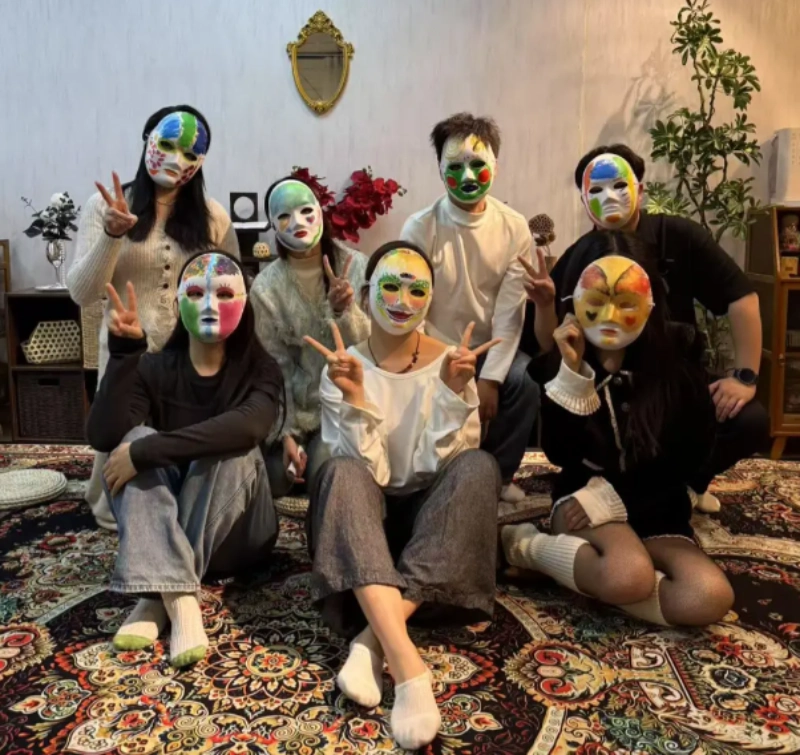
Recommended Area: Kuanzhai Alley Cultural Workshops
Wear Traditional Sichuan Opera Costumes
Near Jinli Ancient Street, several photography studios allow travelers to wear authentic Sichuan Opera costumes, headpieces, and makeup while taking theatrical-style portraits.
Consequently, this has become one of Chengdu’s most popular cultural photography experiences.
Recommended Area: Jinli Ancient Street
Learn Simple Opera Movements
Some local cultural spaces also provide beginner-friendly experiences where visitors can learn water sleeve movements, stage gestures, and simple face-changing poses from professional performers.
Even short sessions can feel surprisingly interactive and memorable.
Perfect Pairing: Hotpot and Opera
For many travelers, the perfect Chengdu evening begins with spicy Sichuan hotpot before ending with a traditional opera performance.
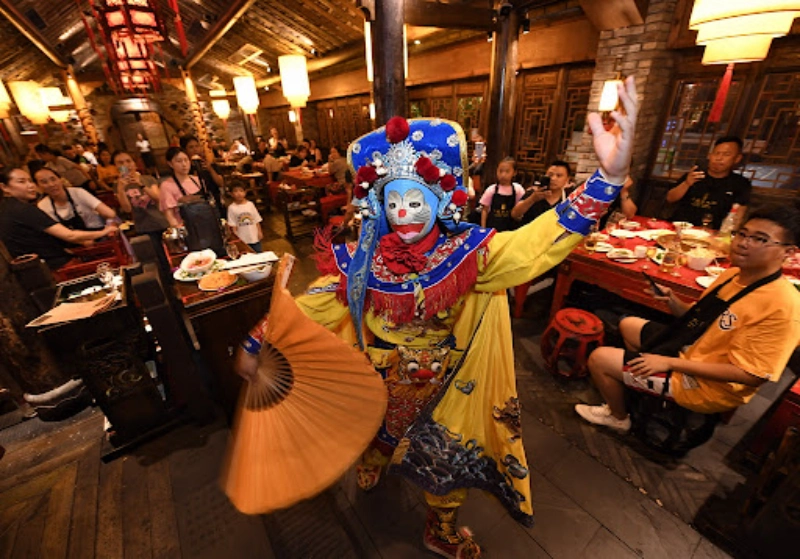
One of the most popular local-style routes is starting near Chunxi Road or Taikoo Li for dinner, then walking toward Jinjiang Theater afterward. Meanwhile, areas around Kuanzhai Alley also combine traditional teahouses, local snacks, and nearby opera performances within the same neighborhood.
As a result, visitors can experience Chengdu’s food culture and performing arts together in one relaxed evening itinerary.
Recommended Food Areas: Chunxi Road, Taikoo Li, Kuanzhai Alley
A Night of Chengdu Culture Beyond the Stage
For many international travelers, Sichuan Opera becomes much more than a performance. Instead, it becomes a window into Chengdu’s humor, lifestyle, and local identity.
After the show, many visitors continue their evening with tea houses, late-night street food, or riverside walks nearby. Consequently, the experience naturally blends into the rhythm of Chengdu nightlife itself.
In 2026, Sichuan Opera remains one of the most iconic cultural experiences in western China — not because it feels old, but because it still feels alive.
Experience Chengdu Through Sichuan Opera
At GoChinaNow, we believe Sichuan Opera is one of the best ways to experience the spirit of Chengdu beyond standard sightseeing. From dramatic face changing and fire spitting to teahouse culture and local performances, every moment offers a deeper connection to Sichuan’s living traditions.
Whether you are interested in photography, traditional arts, family-friendly activities, or simply experiencing Chengdu like a local, Sichuan Opera offers one of the most unforgettable cultural nights in China.
Travel With Go China Now
All of our tours can be adjusted or customized based on your requirements, with a private guide and a private driver to suit your needs. Reach out to us to create your dream trip, and our professional travel consultant will provide in-depth experience options and a worry-free itinerary.
Start Planning Your Trip