












Quick Answer
Longjing Tea Ceremony in Hangzhou: A Practical Guide for International Travelers
In recent years, Hangzhou’s tea culture has quietly grown into one of China’s most rewarding “slow travel” experiences. It attracts travelers who want to go beyond West Lake’s main attractions. Hidden in misty valleys, Longjing tea culture offers more than a tasting experience. It introduces Chinese aesthetics, rural hospitality, and a slower way of life.
For many guests we host, a morning in the tea villages often becomes the highlight of their Hangzhou trip. For example, several visitors from Malaysia told us their private tea session in Meijiawu felt more relaxing than a luxury spa. This comes not from luxury, but from atmosphere, silence, and authenticity.
Therefore, this guide shares key insights into tea traditions, seasonal highlights, and local experiences. It helps you explore Longjing tea culture in a more meaningful way.
What Makes Longjing Tea the “Queen of Green Tea”?
Longjing tea is widely known as China’s most prestigious green tea. It earns this reputation because it balances four qualities. First, it has a jade-green color. Second, it gives a roasted nutty aroma. Third, it offers a mellow sweetness. Finally, it features a flat, sword-shaped leaf.
In addition, Longjing grows in the West Lake hills for more than 1,200 years. The region’s misty climate and mineral-rich soil support its unique flavor. As a result, premium Longjing develops a very distinct profile.
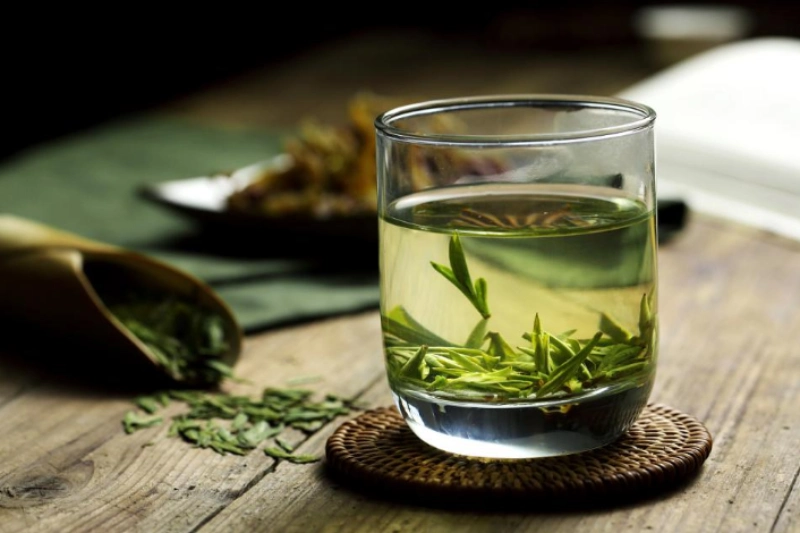
Unlike mass-produced tea, farmers still hand-pan-fire high-quality Longjing in iron woks. During spring, you will notice a strong chestnut aroma across the villages. It comes directly from farmhouse kitchens and small courtyards. Importantly, locals do not treat this as a performance. Instead, they see tea as part of daily life.
How to Experience an Authentic Chinese Tea Ceremony
The Hangzhou tea ceremony does not focus on formality. Instead, it focuses on simplicity, balance, and calm interaction. In our private experiences, we design sessions to highlight storytelling and sensory discovery.
What You Will Experience
The “Dance” of the Leaves
In Hangzhou, hosts usually brew Longjing tea in a clear glass. As a result, you can clearly see the leaves rise and fall. Locals often call this movement the “dance of tea.”
Aroma First, Taste Later
Before brewing, your host will guide you to smell the dry leaves. This step highlights the roasted chestnut aroma. It also helps you understand the tea before tasting it.
Simple Tea Etiquette
Next, you will learn small but meaningful gestures. For example, a gentle finger tap on the table shows gratitude. These gestures reflect respect between host and guest.
Tea and Local Food Pairing
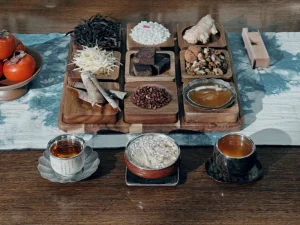
Finally, tea often comes with light snacks such as tea crisps or sunflower seeds. In addition, many travelers enjoy Longjing Shrimp during lunch. At first, the combination sounds unusual. However, the tea’s slight bitterness balances the shrimp’s sweetness very well.
Best Places to Experience Tea Culture in Hangzhou
A. Longjing Village (Dragon Well Village)
Best for: Heritage scenery and authentic tea culture
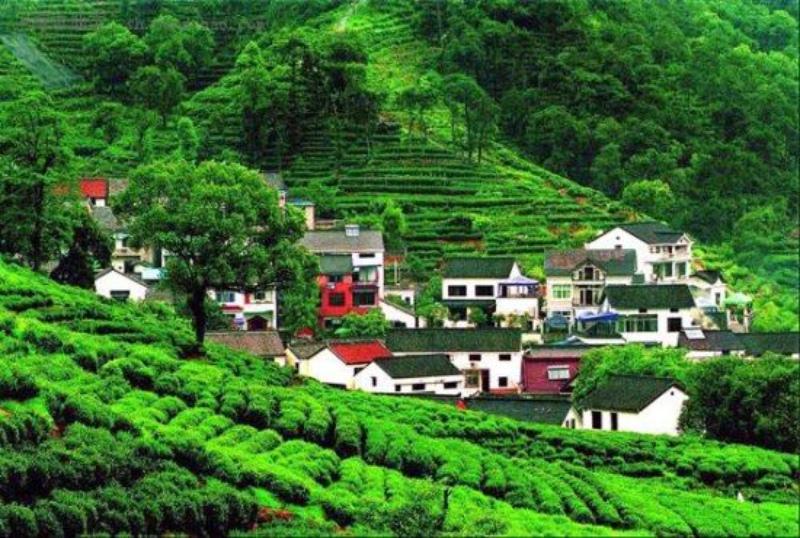
Longjing Village sits at the heart of tea production. It offers layered terraces, quiet stone paths, and traditional tea houses.
To explore better, walk the “Nine Creeks and Eighteen Gullies” trail. It leads you deeper into the tea hills.
Local Insight
Many travelers stop at tea houses near the main road. However, we recommend walking further uphill. There, family-run courtyards often provide more authentic tastings. In addition, the atmosphere is much quieter.
B. Meijiawu Tea Village
Best for: Hands-on tea experiences and countryside views
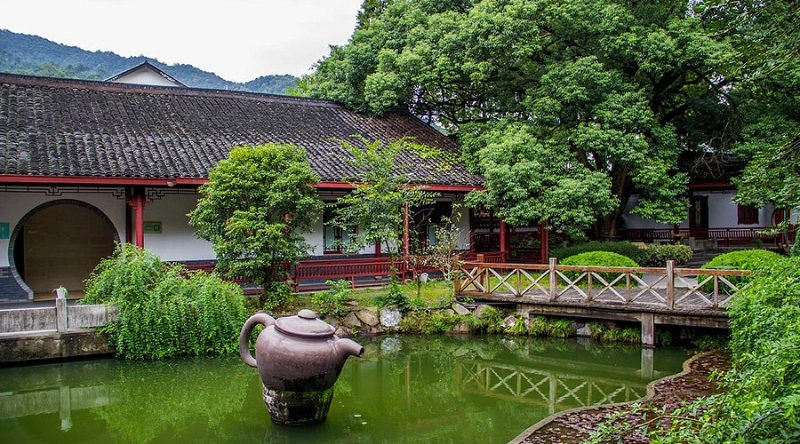
Meijiawu offers a more interactive tea experience. Here, travelers can join farmers during the tea season. They can also learn how to pick and roast tea leaves.
Local Insight
To enjoy the best atmosphere, visit early in the morning. Especially on weekdays, the village stays quiet. Moreover, light mist often covers the tea fields, which creates excellent photography conditions.
C. China National Tea Museum
Best for: Culture, history, and architecture
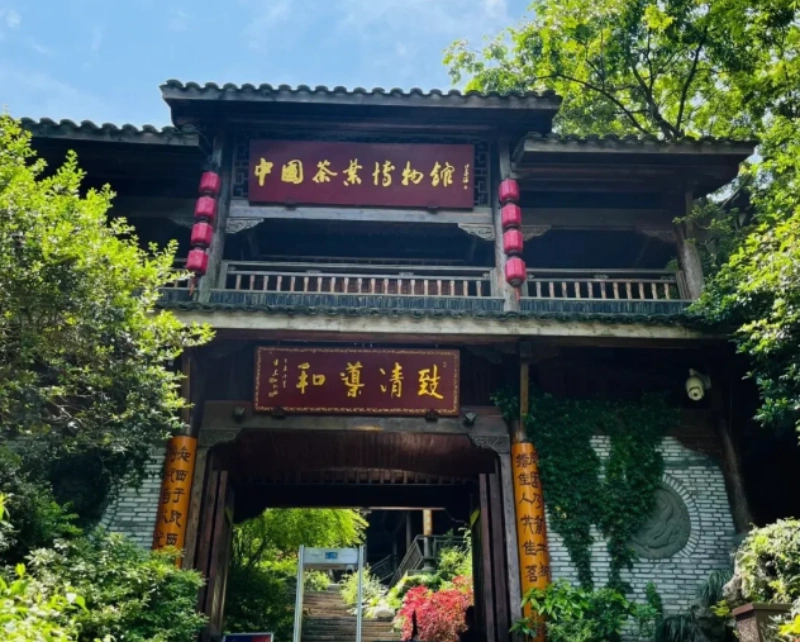
The China National Tea Museum provides a complete introduction to Chinese tea culture. It also sits in a peaceful natural environment near West Lake.
Inside the museum, you can explore tea history, traditional tools, and regional tea styles. Meanwhile, the surrounding gardens offer a calm walking experience.
As a result, this stop works well for both culture lovers and casual visitors.
Best Time to Visit Longjing Tea Plantations
Late March – Early April (Premium Season)
This is the Pre-Qingming harvest period. During this time, farmers pick the youngest tea leaves. As a result, the tea becomes highly valuable. In addition, the villages feel very active and energetic.
Mid-April (Best Balance)
We often recommend this period. The weather is stable, and the tea quality remains excellent. At the same time, crowds become smaller. Therefore, visitors can enjoy a more relaxed experience.
Late Spring and Summer
Later in the year, the hills remain green and peaceful. Although the tea becomes less premium, locals still drink it daily. Therefore, the experience feels more natural and local.
How to Include Tea Culture in Your Hangzhou Itinerary
A Longjing tea experience works best as the center of a slow travel day. Instead of rushing, we recommend a balanced route.
For example:
- In the morning, take a private boat on West Lake
- Then, enjoy a countryside lunch in Meijiawu
- After that, walk through tea terraces
- Next, join a private tea ceremony
- Finally, visit Lingyin Temple in the late afternoon
Many guests tell us this becomes their most relaxing day in China. This is especially true for travelers who prefer cultural immersion over fast sightseeing.
In addition, private guides help you access family farms and local stories. Therefore, the experience becomes more personal and meaningful.
Frequently Asked Questions
Yes, premium tea can be expensive. Especially Pre-Qingming tea from core areas. However, later harvests still offer very good quality at lower prices.
Yes. During spring, many farms allow guests to join tea picking. This activity is especially popular among families and photographers.
You can explore alone. However, a guide helps you avoid tourist traps. In addition, they introduce you to local farmers and explain tea culture more deeply.
Take the high-speed train. It takes about one hour. After arrival, we recommend a private transfer directly to the tea villages. This saves time and avoids city traffic.
Travel With Go China Now
All of our tours can be adjusted or customized based on your requirements, with a private guide and a private driver to suit your needs. Reach out to us to create your dream trip, and our professional travel consultant will provide in-depth experience options and a worry-free itinerary.
Start Planning Your Trip