




















Quick Answer
Cantonese Dim Sum in Guangdong: A Complete Guide to China’s Most Iconic Yum Cha Culture
When I first sat down in a bustling tea house in Guangzhou’s Liwan District, I was immediately surrounded by the sound of clinking porcelain, the rhythm of conversation, and the gentle aroma of jasmine tea drifting through the air.
At first, everything felt slightly chaotic. However, after a few minutes, the atmosphere suddenly started to make sense. Nobody seemed to be in a hurry. Instead, people were slowly sharing food, stories, and time together.
Because of that moment, I realized Cantonese dim sum is far more than a simple meal. Rather, it is a daily ritual deeply rooted in southern Chinese life.
Today, it remains one of the most authentic cultural experiences travelers can have in China.
What Is Cantonese Dim Sum? (Yum Cha Culture in Southern China)
“Yum Cha” (饮茶, yǐn chá) literally means “drinking tea.” However, in Guangdong, it almost always refers to a long and social meal built around small shared dishes.
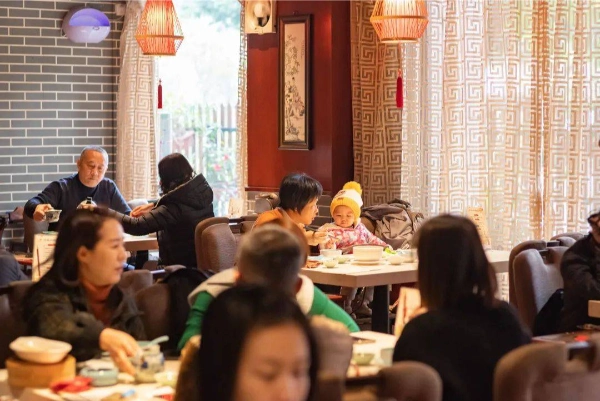
In most cases, a traditional yum cha experience includes:
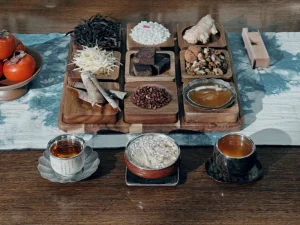
- Chinese tea (Pu’er, Tieguanyin, Jasmine tea)
- A wide variety of dim sum dishes
- Long and relaxed conversations
- Shared dining with family or friends
Traditionally, locals gather in tea houses between 7:00 AM and 11:00 AM. During these hours, restaurants become especially lively and energetic.
More importantly, yum cha is not only about eating. Instead, it represents one of the most important social traditions in Cantonese culture.
How Cantonese Tea Houses Work Today (Modern vs Vintage Experience)
Today, most modern tea houses follow a fairly organized ordering system. For example:
- Paper order sheets
- QR-code menus
- Tablet ordering systems in newer restaurants
At the same time, a few older tea houses in Hong Kong still preserve the traditional push-cart service, where staff move through the dining hall carrying baskets of fresh dim sum.
As a result, these vintage-style restaurants now feel more like living cultural heritage experiences rather than standard daily dining spots.
Overall, the dining process is simple and easy to follow:
- Tea is served first
- Dishes arrive continuously
- There is no strict eating order
- Everything is shared at the table
Because dishes arrive gradually, the meal naturally feels slower and more conversational.
Must-Try Cantonese Dim Sum (Complete Guide with Tea Pairing)
Below are some of the most iconic dim sum dishes travelers should try. In addition, each one reflects a different side of Cantonese food culture.
Har Gow (虾饺 | Xiā Jiǎo)
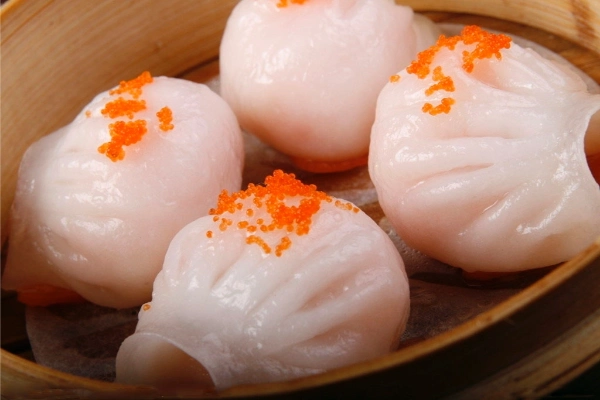
Ingredients: fresh shrimp, translucent wrapper
Taste: juicy, light, slightly sweet
Texture: soft wrapper with firm shrimp inside
Tea pairing: Jasmine tea
Siu Mai (烧卖 | Shāo Mài)
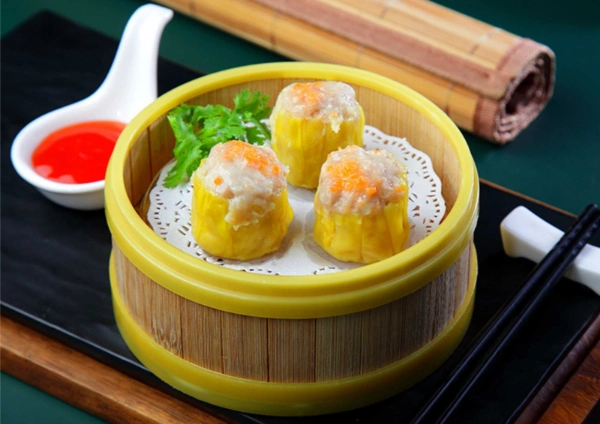
Ingredients: pork, shrimp, mushroom, crab roe
Taste: rich and savory
Texture: firm bite with juicy filling
Tea pairing: Pu’er tea
Char Siu Bao (叉烧包 | Chā Shāo Bāo)
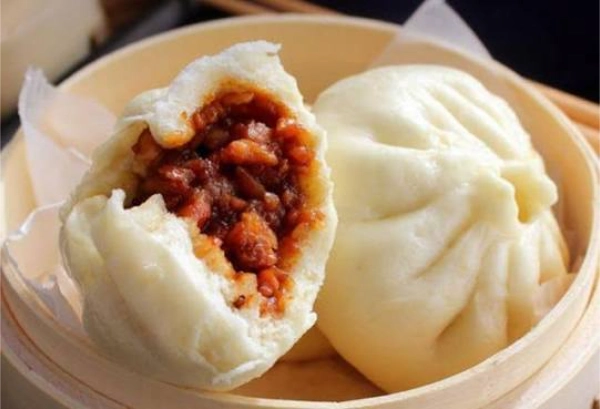
Ingredients: BBQ pork
Taste: sweet and savory balance
Texture: soft steamed bun or baked version
Tea pairing: Oolong tea
Cheung Fun (肠粉 | Cháng Fěn)
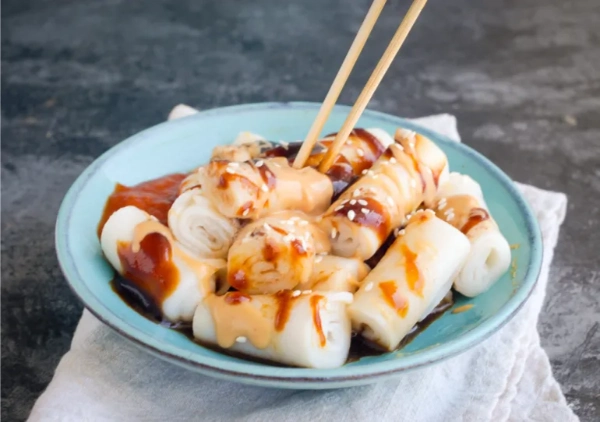
Ingredients: rice flour sheet, shrimp or beef
Taste: light and delicate
Texture: silky and smooth
Tea pairing: Light green tea
Turnip Cake (萝卜糕 | Luó Bó Gāo)
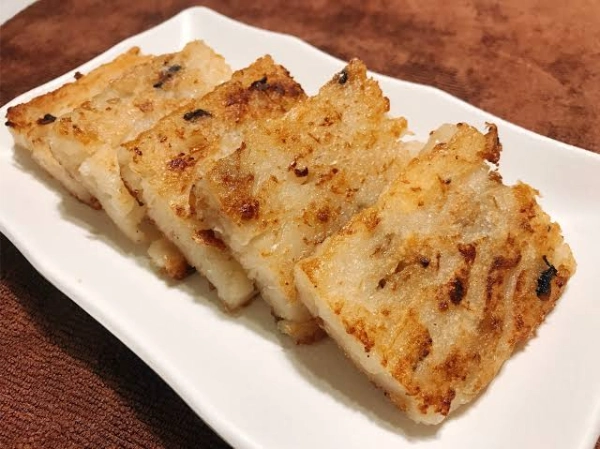
Ingredients: radish, rice flour, dried shrimp
Taste: mild savory flavor
Texture: crispy outside, soft inside
Tea pairing: Jasmine tea
Chicken Feet (凤爪 | Fèng Zhuǎ)
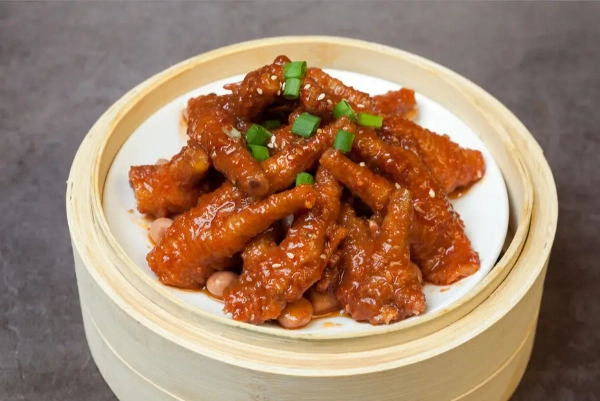
Ingredients: chicken feet, black bean sauce
Taste: deep savory flavor
Texture: soft and gelatin-rich
Tea pairing: Strong Pu’er tea
Spare Ribs in Black Bean Sauce (豉汁排骨)
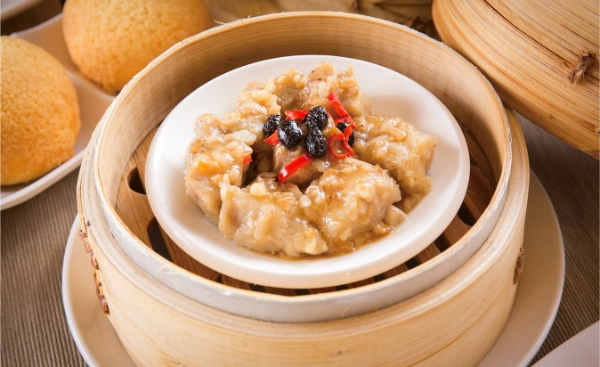
Ingredients: pork ribs, fermented black beans
Taste: salty and aromatic
Texture: tender meat with rich sauce glaze
Shrimp Spring Roll (虾春卷 | Xiā Chūn Juǎn)
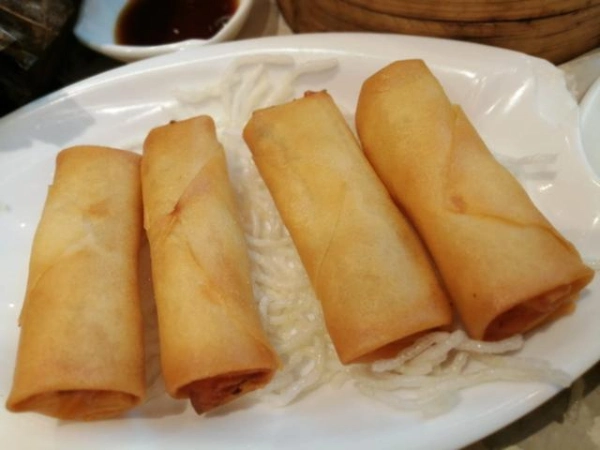
Ingredients: shrimp, vegetables
Taste: light and crispy
Texture: crunchy outside, juicy inside
Egg Tart (蛋挞 | Dàn Tà)

Ingredients: egg custard, pastry shell
Taste: sweet and creamy
Texture: crisp outside, soft inside
Tea pairing: Black tea
Mango Pudding (芒果布丁 | Máng Guǒ Bù Dīng)
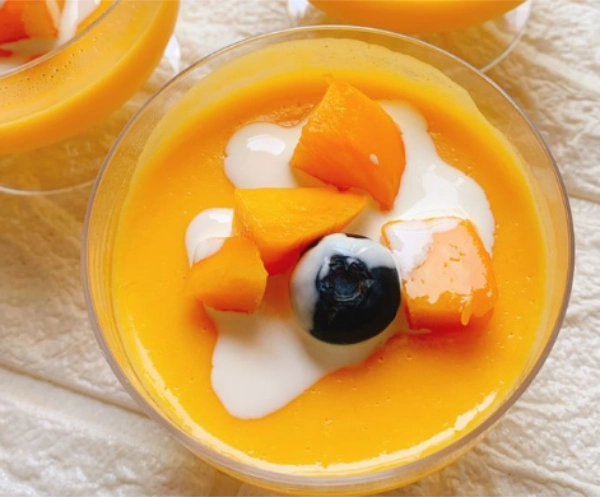
Ingredients: mango, milk
Taste: fresh and sweet
Texture: smooth and chilled
Where to Find the Most Authentic Tea Houses in Guangzhou
Guangzhou – The Heart of Dim Sum Culture
Panxi Restaurant (泮溪酒家)
This tea house is located inside a traditional Cantonese garden. As a result, it offers one of the most scenic and peaceful dim sum experiences in China.
Tao Tao Ju (陶陶居)
With more than a century of history, Tao Tao Ju remains one of Guangzhou’s most famous dim sum institutions. In particular, many locals still visit for its classic handmade dishes and old Cantonese atmosphere.
Lian Xiang Lou (莲香楼)
As one of Guangzhou’s oldest tea houses, Lian Xiang Lou preserves a much more traditional environment. Therefore, it is especially popular among travelers looking for an old-style breakfast experience.
Hong Kong – A Blend of Modern and Vintage Dining
Hong Kong combines high-end Michelin-level dim sum restaurants with several remaining vintage tea houses. Consequently, visitors can experience both modern Cantonese dining and old-fashioned push-cart culture in the same city.
Foshan – A More Local Lifestyle Experience
Compared with Guangzhou or Hong Kong, Foshan feels less touristy and more residential. Because of this, many travelers find the tea house atmosphere there more authentic and relaxed.
How to Eat Dim Sum Like a Local
To fully enjoy yum cha culture, it helps to understand a few local dining habits.
First, tea is almost always served before food arrives.
Next, dishes are shared across the table rather than ordered individually.
After that, locals usually order gradually instead of filling the table immediately. This allows everyone to adjust based on appetite and conversation pace.
In addition, experienced diners often mix different cooking styles throughout the meal, including:
- Steamed dishes
- Fried snacks
- Baked pastries
- Light desserts
Most importantly, nobody rushes.
As a result, a traditional dim sum breakfast can easily last between 1.5 and 3 hours.
What to Expect in a Cantonese Tea House
For first-time visitors, Cantonese tea houses may feel surprisingly lively.
In general, they are:
- Busy and energetic
- Full of conversation and movement
- Social rather than quiet
- Organized but rarely formal
Meanwhile, servers move quickly between tables while families continue chatting over tea for hours.
Because of this, the atmosphere itself becomes part of the experience rather than just the background.
Suggested Dim Sum Travel Experience (Guangzhou Half-Day Plan)
A well-balanced Guangzhou food experience could look like this:
Morning: Traditional Cantonese dim sum breakfast
Then: Walk through old streets or riverside neighborhoods
Afterwards: Visit temples, markets, or cultural landmarks
Finally: Enjoy tea tasting or local snack street exploration
As a result, travelers experience not only the food itself, but also the slower rhythm of southern Chinese city life.
Frequently Asked Questions
Before eating, many locals rinse cups and utensils with hot tea. Although this practice originally had hygiene purposes, today it also symbolizes hospitality and dining etiquette.
No. In fact, dumplings are only one category within the much larger world of dim sum.
Usually between 7:00 AM and 11:00 AM, especially on weekends.
Generally, local tea houses remain quite affordable. However, luxury hotels and famous restaurants may charge significantly higher prices.
Can Muslim travelers eat dim sum in China?
Yes. However, travelers should look for halal-certified restaurants or communicate dietary requirements in advance.
Cantonese dim sum reflects the rhythm of life in southern China. In other words, it is slow, social, and deeply connected to shared moments around the table.
For many travelers, yum cha becomes the first time they truly understand that in China, breakfast is not something people rush through.
Instead, it is something people experience together.
Travel With Go China Now
All of our tours can be adjusted or customized based on your requirements, with a private guide and a private driver to suit your needs. Reach out to us to create your dream trip, and our professional travel consultant will provide in-depth experience options and a worry-free itinerary.
Start Planning Your Trip