


















Quick Answer
Chinese Silk: The 2026 Cultural Experience Guide
In China, silk is far more than a fabric. For thousands of years, it has symbolized craftsmanship, beauty, trade, and cultural exchange. As the foundation of the ancient Silk Road, silk once connected China with Central Asia, the Middle East, and Europe, shaping one of the world’s earliest global trade networks.
Today, silk has also become one of the most immersive cultural experiences travelers can enjoy in China. From elegant museums and traditional weaving workshops to silk fashion, embroidery, and hands-on craft activities, visitors can experience silk not only as history, but also as a living part of everyday Chinese culture.
The Cultural Beauty Behind Chinese Silk
Chinese silk history dates back more than 5,000 years and remains one of China’s most important National Intangible Cultural Heritage traditions. Long before silk became known to the outside world, ancient Chinese artisans had already developed sophisticated techniques for raising silkworms, spinning silk threads, dyeing fabrics, and weaving intricate patterns.
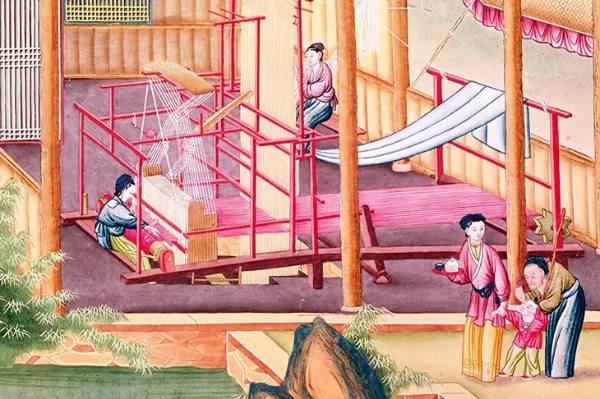
Unlike many traditional crafts that may feel distant or difficult to understand, silk culture is highly visual, interactive, and beginner-friendly. Therefore, travelers do not need any professional background knowledge to appreciate the smooth texture, elegant patterns, and delicate craftsmanship behind Chinese silk.
More importantly, silk naturally blends into modern travel experiences. Whether you are visiting ancient water towns, classical gardens, museums, old streets, fashion boutiques, or cultural workshops, silk can be found almost everywhere throughout China’s cultural landscape.
The Lifecycle of Silk
Understanding how silk is made can make the travel experience even more meaningful. Traditionally, silk production follows four major steps:
Silkworm Rearing → Cocoon Boiling → Silk Reeling → Weaving
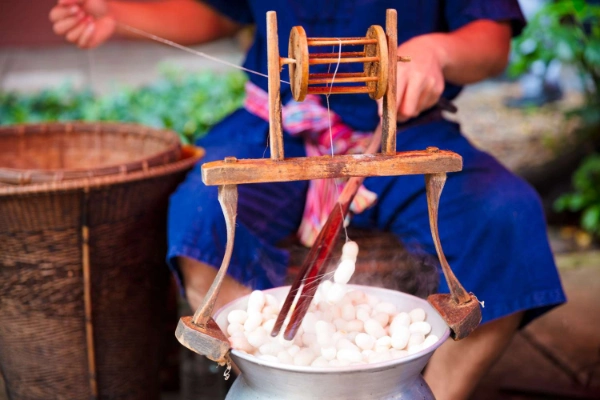
Today, museums and heritage workshops in cities like Hangzhou and Suzhou still demonstrate many of these traditional techniques by hand. As a result, travelers can see the entire process from cocoon to finished fabric in a very direct and memorable way.
Where to Discover China’s Silk Culture
China National Silk Museum — Hangzhou
Located near West Lake, the China National Silk Museum is one of the world’s largest silk museums. Here, visitors can explore Silk Road exhibitions, traditional weaving techniques, embroidery collections, silk garments, and historical trade stories.
Meanwhile, interactive exhibitions, English-friendly touchscreens, and live weaving demonstrations make the experience highly accessible for international travelers and families alike. In addition, some exhibition areas now feature AI-powered fitting rooms where visitors can virtually “try on” traditional Hanfu and silk robes before making a purchase.
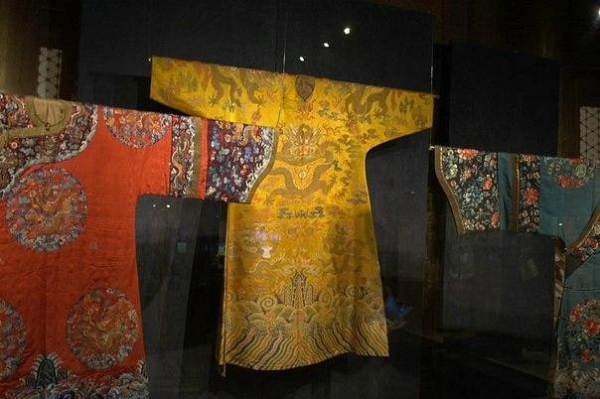
Location: Hangzhou, Zhejiang Province
Best Time: Spring and autumn
Best For: Culture lovers, families, educational travel
Suzhou Silk Museum & Pingjiang Road — Suzhou
Suzhou has long been famous for silk, embroidery, and refined Jiangnan culture. At Suzhou Silk Museum, travelers can watch traditional silk-making demonstrations, learn about silkworm farming, and discover the artistry behind Suzhou embroidery.
After visiting the museum, many travelers continue to nearby Pingjiang Road. There, silk boutiques, embroidery shops, riverside cafés, and traditional teahouses together create a relaxed and elegant cultural atmosphere.
Consequently, Suzhou has become one of the best destinations in China for travelers seeking a combination of silk culture, slow travel, and Jiangnan scenery.
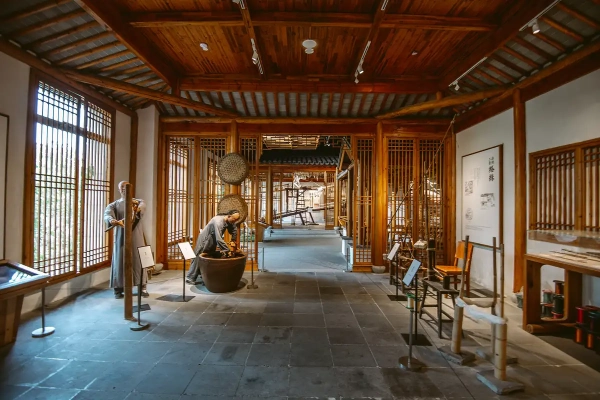
Location: Suzhou, Jiangsu Province
Best Experience: Combine silk culture with classical gardens and canal walks
Nanchong Silk Industry Sites — Sichuan
Historically, Nanchong was one of China’s major silk production centers. Compared with larger tourist cities, however, Nanchong offers a more local and less commercialized silk experience.
Some traditional workshops still preserve silk weaving and silkworm-raising techniques passed down through generations. Therefore, travelers interested in deeper cultural experiences often find Nanchong especially rewarding.
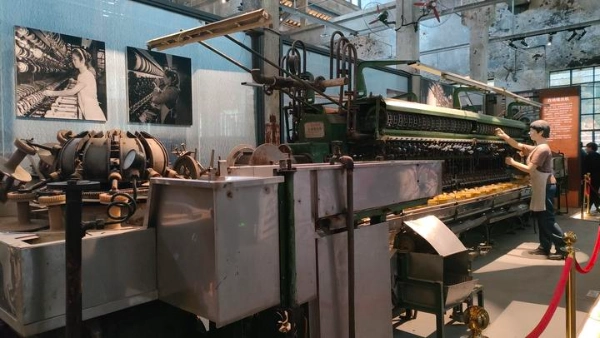
Location: Nanchong, Sichuan Province
Best For: Cultural deep dives and family-friendly experiences
Hands-On Silk Experiences Travelers Love
Make Your Own Silk Souvenir
Many silk workshops in Hangzhou and Suzhou now offer beginner-friendly craft experiences. Under the guidance of local artisans, visitors can create silk bookmarks, silk fans, embroidery pieces, or simple tie-dye silk scarves.
Because these activities are easy to join, they are especially popular among families, couples, and cultural travelers. At the same time, the handmade creations also become meaningful travel keepsakes.
Try Traditional Silk Clothing
In historic areas such as Hangzhou Hefang Street and Suzhou Pingjiang Road, travelers can wear traditional silk qipaos, silk shawls, or Hanfu-inspired outfits for photography experiences.
As a result, silk becomes more than something travelers simply observe. Instead, it becomes part of the travel memory itself.
Experience Silkworm Feeding & Silk Reeling
In some traditional silk-producing regions, visitors can still feed silkworms and watch fresh silk threads being reeled by hand.
Although the experience itself is simple, it often becomes surprisingly memorable. After all, few travelers ever get the chance to witness the complete journey from cocoon to finished silk fabric.
Paint Traditional Silk Patterns
Some cultural studios also offer silk pattern painting workshops inspired by traditional Chinese symbols such as clouds, peonies, cranes, and lotus flowers.
Meanwhile, visitors can learn the meanings behind these symbols while creating personalized silk artwork to take home. Therefore, the experience combines both creativity and cultural storytelling.
How to Identify Authentic Chinese Silk
For many international visitors, shopping for silk is an important part of traveling in China. However, learning how to identify authentic silk can help travelers shop with greater confidence.
One useful detail to remember is the “Grade 6A” label, which usually represents the highest-quality mulberry silk. In addition, authentic silk generally feels softer, smoother, lighter, and more breathable than synthetic fabrics.
Insider Tip: A classic silk test is the burn test. Real silk smells similar to burnt hair, while synthetic fibers smell more like melted plastic. Reputable silk shops around Pingjiang Road in Suzhou or Hefang Street in Hangzhou can often provide small fabric samples for visitors to examine more closely.
Silk Souvenirs Worth Bringing Home
Silk is also one of the easiest and most practical cultural souvenirs for international travelers. Since most silk products are lightweight and easy to pack, they make excellent gifts and travel keepsakes.
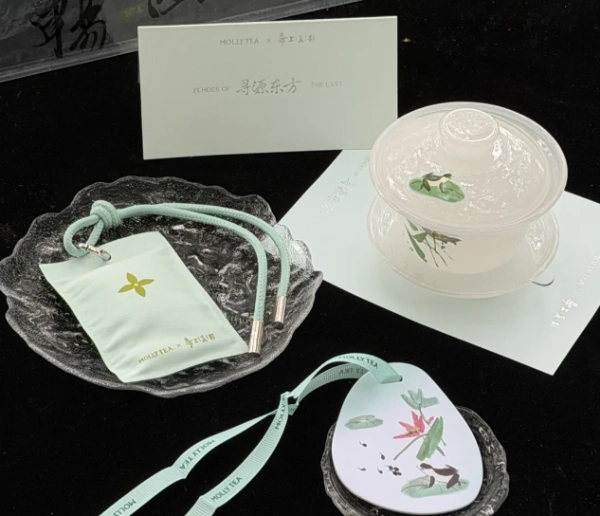
Popular silk souvenirs include:
- Silk scarves and shawls
- Embroidered bookmarks and handbags
- Suzhou embroidery artwork
- Hangzhou silk fans
- Shu Brocade (蜀锦) from Sichuan
- Song Brocade (宋锦) from Suzhou
Furthermore, museums and heritage workshops are usually the safest places to purchase higher-quality handmade silk products with reliable craftsmanship.
Silk-Themed Travel Routes in China
Jiangnan Silk Journey
Hangzhou → Suzhou
Explore silk museums, classical gardens, riverside old streets, embroidery workshops, and elegant Jiangnan culture.
Recommended Duration: 3–5 days
Silk Road & Silk Heritage Route
Xi’an → Nanchong
Discover Silk Road history in Xi’an before exploring traditional silk craftsmanship and heritage workshops in Sichuan.
Recommended Duration: 4–6 days
Silk Craft & Heritage Experience
Suzhou → Hangzhou → Wuzhen
Focus on immersive workshops, silk fashion, handicrafts, water towns, and cultural photography experiences.
Recommended Duration: 5–7 days
The Appeal of Silk Travel in Modern China
Unlike some traditional cultural activities, silk experiences are relaxing, interactive, and easy for travelers of all ages to enjoy. Even visitors with no cultural background can quickly participate in workshops, museum visits, and fashion experiences.
At the same time, silk culture naturally combines photography, shopping, craftsmanship, and slow travel. Consequently, many travelers find these experiences both meaningful and visually memorable.
In recent years, silk tourism has become increasingly popular among travelers seeking a softer, slower, and more elegant side of China beyond major sightseeing landmarks.
Discover China Through Silk
Silk remains one of the softest yet strongest symbols of Chinese civilization. For thousands of years, it has connected trade routes, craftsmanship, fashion, art, and everyday life across different regions of China.
Today, traveling through China’s silk destinations is not simply about shopping or visiting museums. Instead, it is about experiencing the patience, beauty, and craftsmanship behind one of the world’s oldest cultural traditions.
From the canals of Suzhou to the workshops of Hangzhou and the heritage silk towns of Sichuan, every thread of silk tells a story — and every traveler becomes part of that story.
Explore our “Silk & Gardens” Private Tour — a 5-day cultural journey through Hangzhou and Suzhou featuring silk museums, classical gardens, embroidery workshops, traditional silk fashion experiences, and immersive Jiangnan cultural activities.
Travel With Go China Now
All of our tours can be adjusted or customized based on your requirements, with a private guide and a private driver to suit your needs. Reach out to us to create your dream trip, and our professional travel consultant will provide in-depth experience options and a worry-free itinerary.
Start Planning Your Trip