























Quick Answer
Beyond the Spice: A Journey Through China’s Regional Hot Pot Heritage
Discover the best Chinese hot pot experiences across China, from Chongqing spicy broth to Beijing copper pot dining. Explore this ultimate China travel guide for food lovers and culinary tours.
There are few food experiences in the world as lively and memorable as Chinese hot pot.
I still remember my first real hot pot dinner in Chongqing. Within ten minutes, everyone at the table was sweating from the spice, laughing loudly, and reaching into the same bubbling pot for more beef slices. Before long, the local family sitting next to us even raised their glasses and invited us to join a toast. That moment stayed with me far longer than the heat of the chili itself.
For many international travelers, hot pot becomes much more than a meal in China. Instead, it becomes part of the journey itself.
From the fiery restaurants of Chongqing to the delicate mushroom broths of Yunnan, every region tells a different story through hot pot. Today, exploring China through its hot pot culture has become one of the country’s most rewarding culinary travel experiences.
Why Chinese Hot Pot Is So Special
At first glance, hot pot looks simple: a simmering pot of broth sits in the center of the table while diners cook meat, vegetables, noodles, and seafood themselves.
However, the experience goes far beyond food.
It Brings People Together
In China, people rarely eat hot pot alone. Instead, families gather around hot pot during winter evenings, while friends often meet there after work. Meanwhile, students celebrate birthdays over late-night hot pot dinners. Even business meetings sometimes happen around a steaming pot.
As a result, hot pot reflects one of the most important parts of Chinese dining culture — sharing.
It Feels Interactive and Personal
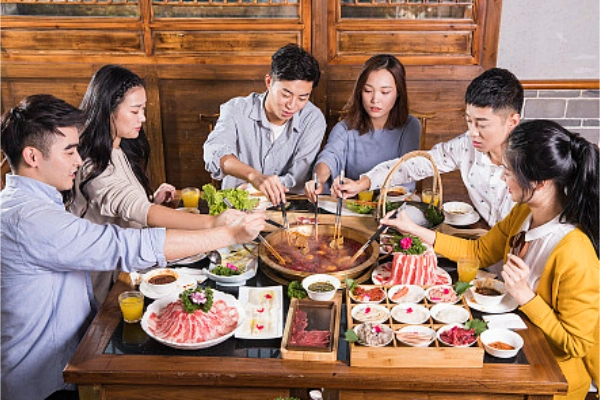
Many first-time visitors are surprised by how involved the experience feels. Rather than simply ordering dishes, you actively participate throughout the meal.
For example, you choose your own ingredients, mix your own sauce, and decide how long to cook each item. Some people like their beef barely dipped in broth, while others leave vegetables simmering for several minutes.
Because of this, no two hot pot meals ever feel exactly the same.
Every Region Has Its Own Style
Another reason travelers love Chinese hot pot is the regional variety.
Across China, different cities use different:
- Soup bases
- Sauces
- Cooking techniques
- Ingredients
- Dining traditions
Consequently, traveling across China through hot pot almost feels like tasting several countries within one destination.
Different Types of Chinese Hot Pot
Chongqing Hot Pot
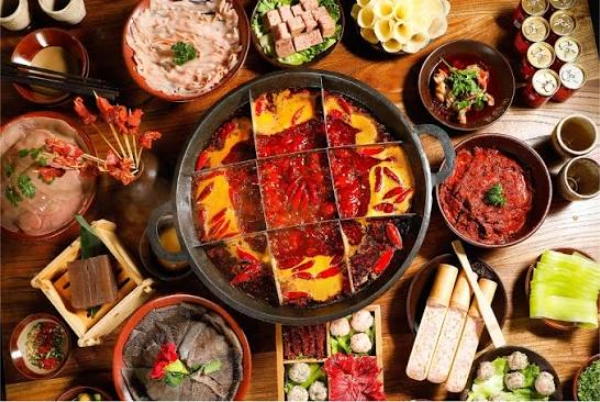
Best for: Spice lovers and nightlife food experiences
Chongqing hot pot is bold, intense, and impossible to ignore. Typically, the broth arrives covered in red chili oil and Sichuan peppercorns, filling the air with a smoky, spicy aroma.
Restaurants often stay busy late into the night. Meanwhile, locals order beef slices, duck intestines, tofu skin, lotus root, and handmade noodles while cold drinks constantly refill the table.
At first, the spice can feel overwhelming. However, many travelers quickly become addicted to the balance of heat and flavor.
Chengdu Hot Pot
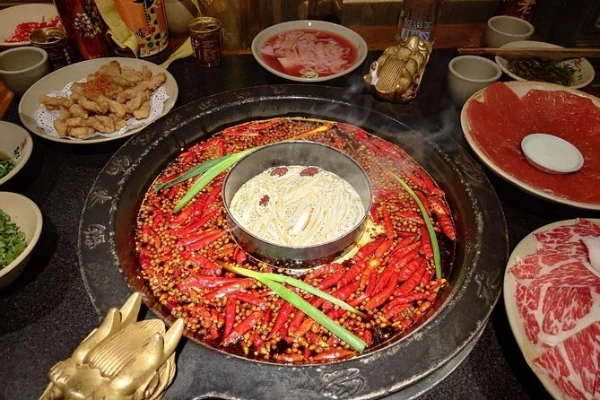
Best for: Food culture and relaxed local atmosphere
Compared with Chongqing, Chengdu’s hot pot style focuses more on fragrance and ingredient quality than pure spice intensity.
After spending a slow afternoon in a tea house or exploring old Chengdu streets, many visitors naturally end the day with hot pot. As a result, the dining experience often feels calmer and more local.
Several guests from Singapore told us their Chengdu hot pot dinner became their favorite night in China because it felt “so local, but never stressful.”
Beijing Copper Pot Hot Pot
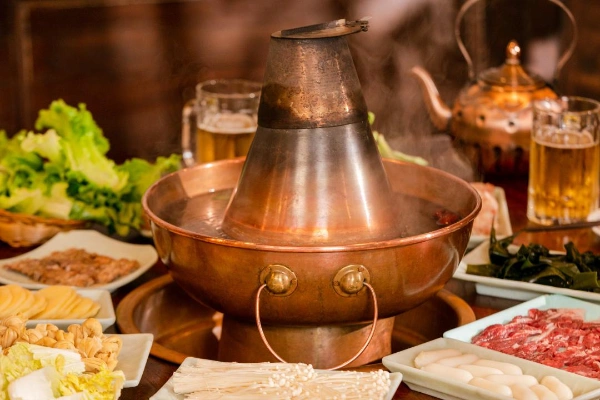
Best for: Traditional northern Chinese dining
Beijing hot pot offers a completely different experience.
Instead of spicy broth, diners cook thin slices of lamb inside a traditional copper pot with a clear soup base. In addition, sesame sauce becomes the star of the meal, and the flavors feel clean and comforting.
During winter, many locals gather in old hutong neighborhoods for this style of hot pot. Therefore, the atmosphere feels nostalgic and deeply connected to old Beijing culture.
Chaoshan Beef Hot Pot
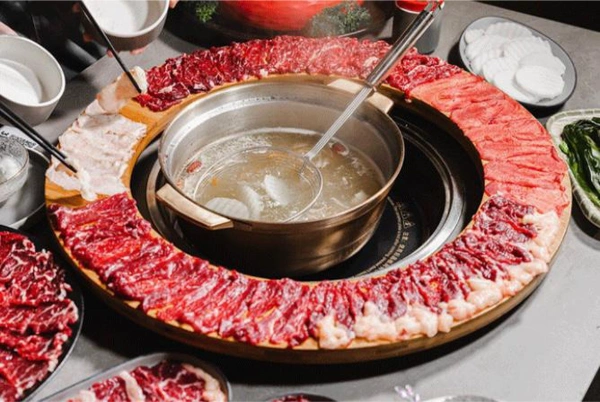
Best for: Fresh beef lovers and refined flavors
Chaoshan beef hot pot from Guangdong Province focuses almost entirely on ingredient freshness.
In many restaurants, chefs slice beef to order and serve different cuts separately. Staff also recommend exact cooking times for each plate.
Unlike spicy Sichuan hot pot, the broth stays light and delicate. As a result, travelers can fully appreciate the texture and flavor of the beef itself.
Interestingly, many visitors who normally avoid spicy food end up loving this style the most.
Yunnan Mushroom Hot Pot
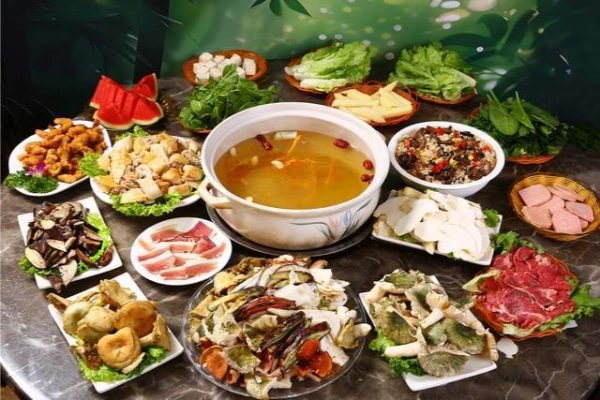
Best for: Nature travel and wellness-focused experiences
Yunnan’s mushroom hot pot feels calmer and more seasonal than other styles.
Here, the broth uses wild mountain mushrooms collected from forests across Yunnan. Depending on the season, restaurants may serve dozens of mushroom varieties with earthy, rich flavors.
After spending time in Dali or Lijiang, many travelers enjoy slowing down with a long mushroom hot pot dinner.
One guest from Malaysia laughed while telling us:
“I came to Yunnan for the scenery, but somehow I still think about the mushroom soup.”
How to Eat Hot Pot Like a Local
For first-time visitors, hot pot can feel slightly chaotic at first. Fortunately, learning a few local habits makes the experience much easier.
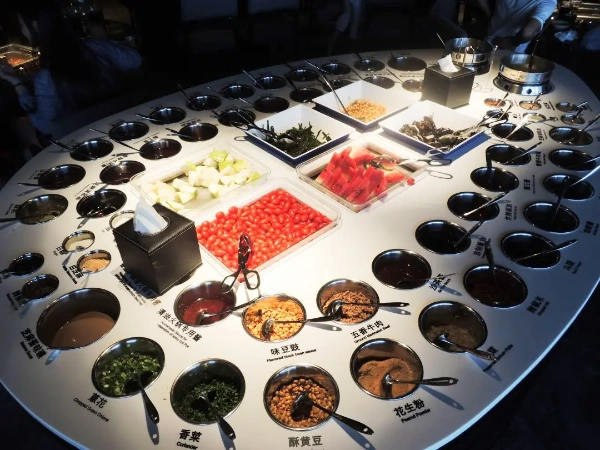
Build Your Own Sauce
Most restaurants have self-service sauce stations with:
- Sesame paste
- Garlic
- Chili oil
- Cilantro
- Vinegar
- Soy sauce
Interestingly, many locals spend more time mixing sauce than ordering food.
Learn the “Seven Up, Eight Down” Rule
When cooking beef tripe in Sichuan hot pot, locals often say:
“Seven up, eight down.”
In simple terms, this means quickly dipping the tripe into the broth several times for the perfect texture.
Don’t Drink the Spicy Broth
Although the broth smells incredible, very spicy soup bases usually contain large amounts of oil and salt. Therefore, most locals focus on the cooked ingredients instead.
Expect Noise and Energy
The best hot pot restaurants in China are rarely quiet.
Instead, people laugh loudly, servers move quickly between tables, and steam fills the room. At first, some travelers find it overwhelming. Later, however, many realize that this lively atmosphere becomes part of the memory itself.
Best Cities in China for Hot Pot Lovers
Chongqing
The ultimate destination for spicy hot pot and late-night dining culture.
Chengdu
Perfect for travelers who enjoy food, tea houses, and slower local life.
Beijing
Best for traditional copper pot dining and northern Chinese culture.
Shantou
A paradise for fresh beef hot pot lovers.
Kunming
Ideal for mushroom hot pot and nature-focused travel.
Guangzhou
Excellent for Cantonese-style seafood hot pot.
Hot Pot Safety and Travel Tips
Chinese hot pot is generally very safe for international visitors. Still, a few practical tips can make the experience smoother.
Start Mild if You’re Sensitive to Spice
If spicy food worries you, begin with:
- Mushroom broth
- Tomato soup base
- Herbal broth
Alternatively, you can order a split pot with both spicy and non-spicy sides.
Choose Busy Restaurants
Busy restaurants usually mean fresher ingredients and faster turnover.
In fact, a crowded hot pot restaurant in China often signals quality rather than inconvenience.
Mention Dietary Restrictions Early
Many restaurants can adjust ingredients if you:
- Avoid spicy food
- Don’t eat beef or pork
- Need halal-friendly options
As a result, Muslim travelers can usually enjoy hot pot comfortably in many Chinese cities.
Be Careful With Wild Mushrooms in Yunnan
Yunnan mushroom hot pot is famous and safe in reputable restaurants. However, travelers should avoid eating unidentified wild mushrooms independently.
The Best Hot Pot Experiences for Travelers
Hot pot experiences often become even more memorable when combined with local sightseeing and nightlife.
For example, popular combinations include:
- Chongqing river cruises followed by hot pot dinners
- Chengdu old street walks and late-night food tours
- Beijing hutong experiences with traditional copper pot meals
- Yunnan old town stays with mushroom hot pot evenings
Today, many international travelers choose private culinary tours because they want more than just restaurant recommendations. Instead, they look for local stories, hidden restaurants, and cultural context behind the meal.
Several guests recently told us their hot pot evenings became the moments when China finally felt “real” to them — not through sightseeing, but through conversation, shared tables, and the energy inside the restaurant.
Frequently Asked Questions
No. Many regions offer mild broths such as mushroom, tomato, herbal, or clear soup bases.
Beijing copper pot hot pot and Chaoshan beef hot pot are excellent starting points because the flavors are lighter and easier to adjust to.
Yes. Established restaurants in China generally maintain strong food hygiene standards.
Yes. Many cities offer halal-friendly hot pot restaurants, especially in areas with larger Muslim communities such as Xi’an and Beijing.
Beginner-friendly choices include:
- Thin beef slices
- Mushrooms
- Tofu
- Leafy vegetables
- Handmade noodles
- Shrimp balls
Chongqing hot pot focuses on spicy chili oil broth and bold flavors, while Beijing hot pot emphasizes fresh lamb, clear soup, and sesame dipping sauce.
Ready to Experience China Through Hot Pot?
In China, hot pot rarely feels like “just dinner.”
Instead, it represents conversation, celebration, late nights, and the atmosphere of the cities around it. Whether you sit beside the neon skyline of Chongqing or enjoy mushroom broth near the mountains of Yunnan, hot pot offers one of the most authentic ways to experience modern Chinese life.
For travelers who want to explore China beyond traditional sightseeing, a great hot pot meal often becomes the story they remember most.
Ready to spice up your China journey?
Explore our customized culinary tours, local food experiences, and private China itineraries designed for travelers who want to discover the country through its flavors.
Travel With Go China Now
All of our tours can be adjusted or customized based on your requirements, with a private guide and a private driver to suit your needs. Reach out to us to create your dream trip, and our professional travel consultant will provide in-depth experience options and a worry-free itinerary.
Start Planning Your Trip