























Quick Answer
Discovering Authentic Sichuan Cuisine
For many international travelers, Sichuan cuisine becomes one of the most memorable parts of visiting China. In cities like Chengdu, food is not just daily life—it is rhythm, social connection, and a shared language between people.
From late-night hot pot tables to quiet noodle shops hidden in old alleys, Sichuan cuisine is built around contrast. On one hand, it delivers heat and intensity. On the other hand, it maintains balance, freshness, and depth.
The Signature Flavors of Sichuan Cuisine
The identity of Sichuan Cuisine comes from “mala.”
- “Ma” (麻): a light numbing sensation from Sichuan peppercorn
- “La” (辣): chili heat that builds gradually rather than hitting at once
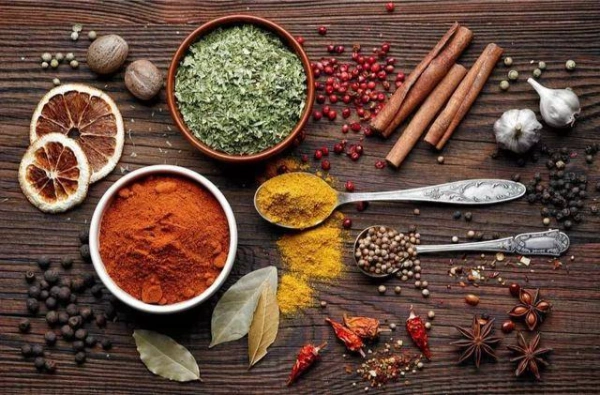
However, Sichuan cuisine is never only about spice. In fact, many dishes are carefully structured with multiple layers of flavor, including:
- Savory depth from fermented sauces
- Gentle sweetness for balance
- Smoky wok aroma from high-heat cooking
- Garlic and ginger fragrance as the base layer
As a result, a well-made Sichuan dish does not overwhelm the palate. Instead, it evolves gradually—first aroma, then warmth, and finally a lingering finish.
Essential Ingredients in Sichuan Cooking
Doubanjiang (豆瓣酱)
First of all, this fermented chili bean paste forms the backbone of Sichuan cooking. It creates both the deep red color and the signature savory depth.
Sichuan Peppercorn (花椒)
Meanwhile, Sichuan peppercorn is not just a spice. It introduces a citrus-like fragrance and a unique numbing sensation that completely changes how heat is perceived.
Dried Chili Peppers
In addition, dried chilies are used not only for heat but also for aroma and visual impact, especially in stir-fried dishes.
Garlic, Ginger & Scallions
Finally, these ingredients provide the aromatic foundation of most Sichuan dishes, particularly those cooked in a hot wok.
Six Iconic Sichuan Dishes
Mapo Tofu (麻婆豆腐 | Má Pó Dòu Fu)
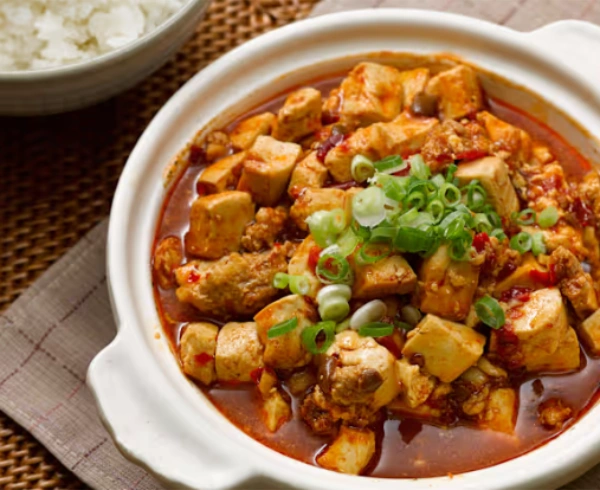
The true hallmark of a great Mapo Tofu isn't just the heat—it’s the wobble of the tofu and the slow return of peppercorn tingle after each bite. That sensation is what makes the dish unforgettable.
Pro Tip: Ideally, the tofu should feel silky and almost “alive,” rather than dense or over-firm.
Kung Pao Chicken (宫保鸡丁 | Gōng Bǎo Jī Dīng)
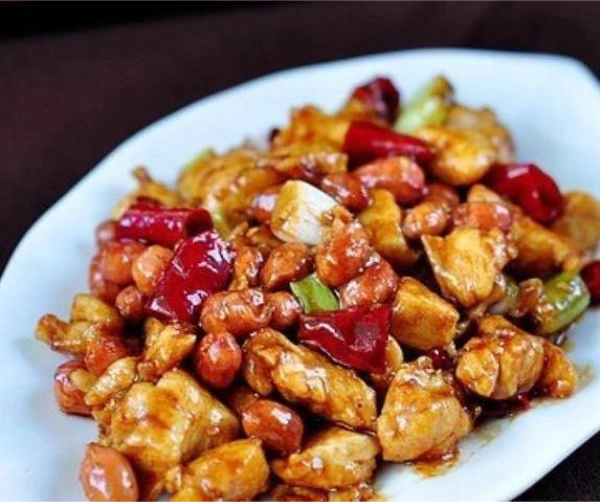
This dish combines chicken, peanuts, dried chili, and a sweet-sour sauce. Compared to other Sichuan dishes, it is often more approachable for first-time visitors.
Pro Tip: Look for the “lychee-style flavor”—a light sweetness followed by controlled chili heat. In fact, this balance is a strong indicator of authentic Chengdu cooking.
Sichuan Hot Pot (四川火锅 | Sì Chuān Huǒ Guō)
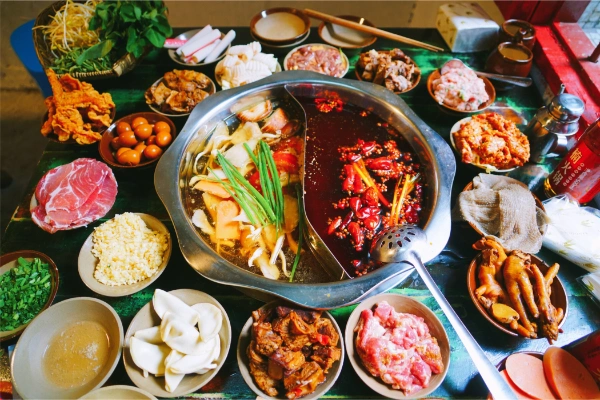
Hot pot is one of the most social dining experiences in China. At the table, everyone cooks together in a bubbling pot of broth, sharing meats, vegetables, tofu, and noodles over long conversations.
However, it is important to note regional variation. Unlike the heavy tallow base of Chongqing, Chengdu hot pot is more about vegetable oil fragrance—lighter, more aromatic, and better suited for long, relaxed evenings.
Many travelers from Singapore and Malaysia often tell us this becomes the most memorable dinner of their entire China trip.
Dan Dan Noodles (担担面 | Dàn Dàn Miàn)
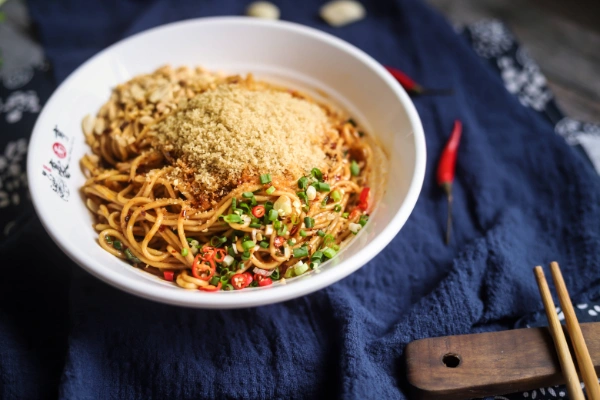
Originally a street vendor dish, Dan Dan Noodles combine minced pork, sesame paste, chili oil, and preserved vegetables. As a result, each bite feels light in texture but rich in layered aroma.
Fish-Fragrant Eggplant (鱼香茄子 | Yú Xiāng Qié Zi)
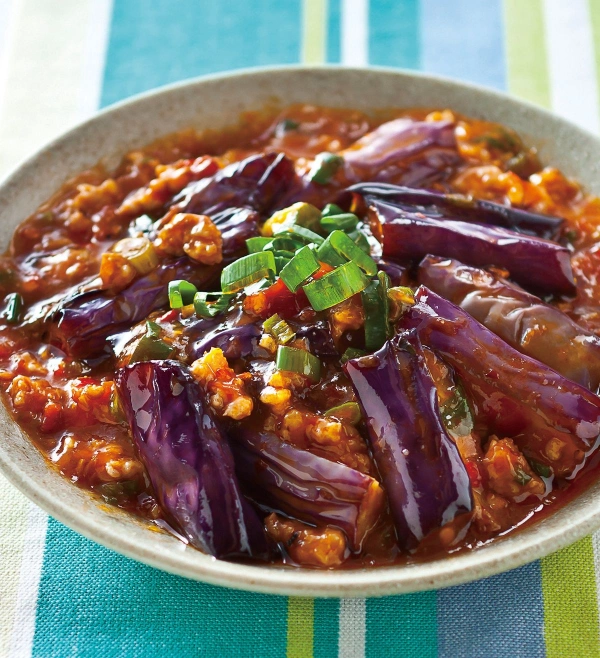
Although the name suggests seafood, no fish is actually used. Instead, the flavor comes from a classic Sichuan sauce made of garlic, vinegar, sugar, and chili bean paste.
Consequently, the eggplant becomes soft, rich, and deeply absorbent of flavor.
Boiled Fish in Chili Oil (水煮鱼 | Shuǐ Zhǔ Yú)
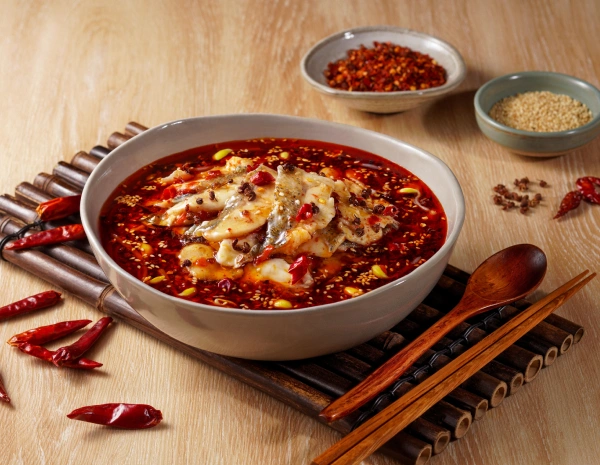
At first glance, this dish appears extremely spicy. However, the real focus is contrast—tender fish beneath a surface of aromatic chili oil and peppercorn fragrance.
In many cases, the aroma actually arrives before the first bite.
Best Places to Experience Sichuan Cuisine in Chengdu
Jinli Ancient Street (锦里)
A lively food street filled with Sichuan snacks and small bites.
No. 231 Wuhouci Street, Wuhou District, Chengdu, Sichuan, China
Kuanzhai Alley (宽窄巷子)
A mix of heritage courtyards, tea houses, and traditional dining experiences.
No. 127 Changshun Street, Qingyang District, Chengdu, Sichuan, China
Yulin Neighborhood (玉林)
Compared with tourist-heavy areas, Yulin offers a more local dining atmosphere. In fact, this is where Chengdu’s everyday food culture feels most authentic.
Moreover, our private food walks often weave through these backstreets, introducing guests to small family-run eateries that do not rely on English menus. Instead of following maps, travelers follow aroma and local rhythm.
General Area: Yulin Community, Wuhou District, Chengdu, Sichuan, China
Recommended Sichuan Restaurants in Chengdu
Chen Mapo Tofu (陈麻婆豆腐)
A historic restaurant known for its traditional Mapo Tofu.
No. 10 Qingyun North Street, Qingyang District, Chengdu, Sichuan, China
Shu Jiu Xiang Hot Pot (蜀九香火锅)
A popular hot pot brand loved by both locals and visitors.
No. 27 Kehua North Road, Wuhou District, Chengdu, Sichuan, China
Ming Ting Restaurant (明婷饭店)
Classic home-style Sichuan cooking in a casual setting.
No. 86 Tongfu Road, Jinniu District, Chengdu, Sichuan, China
Tips for International Travelers
- First of all, spice levels can usually be adjusted
- In addition, not every dish is extremely spicy
- Meanwhile, sharing dishes is part of local dining culture
- Moreover, jasmine tea or soy milk is commonly used to balance heat
- Finally, most local spots in Yulin now prefer Alipay or WeChat Pay. If you're traveling with us, your guide handles the digital interface, so you can focus entirely on the flavors
Frequently Asked Questions
You can start with milder dishes like Kung Pao Chicken or Dan Dan Noodles. In addition, many restaurants adjust spice levels for international guests, so balance is always prioritized over heat.
It combines chili heat with the numbing sensation of Sichuan peppercorn, creating a layered and evolving taste experience.
Kung Pao Chicken and Dan Dan Noodles are the most accessible entry points for first-time visitors.
Absolutely. While flavors are bold, we select restaurants that prioritize freshness and quality ingredients. In addition, pairing meals with jasmine tea or soy milk is a traditional way to balance the experience. Experience Sichuan Cuisine with GoChinaNow Travel with GoChinaNow to explore China through its most iconic flavors. From authentic Chengdu hot pot to hidden local eateries, our curated journeys bring you closer to the real rhythm of Sichuan cuisine—one table, one dish, and one shared moment at a time.
Travel With Go China Now
All of our tours can be adjusted or customized based on your requirements, with a private guide and a private driver to suit your needs. Reach out to us to create your dream trip, and our professional travel consultant will provide in-depth experience options and a worry-free itinerary.
Start Planning Your Trip